Family Road Trip Packing List for Australia and USA Holidays
A good family road trip packing list is not about filling the car with every gadget you might possibly need.
It is about making sure the important things are accessible, the vehicle is suitable for everyone travelling and you have planned for the parts of the journey that are harder to fix once you are on the road.
That matters even more when the trip includes children, grandparents or several people sharing one hire vehicle.
Before packing another bag, check how much room your vehicle actually has, how long the driving days will be and what each traveller will need between overnight stops.
This guide covers the practical items I would check when helping a family prepare for a self-drive holiday in Australia or the USA.
Start with the vehicle, not the suitcase
One of the most common road-trip mistakes happens before anyone starts packing: choosing a vehicle based only on the number of seats.
A seven-seat vehicle may technically carry seven people, but it may not hold seven people’s luggage once every seat is in use.
Before confirming a hire car, check:
- how many adults and children are travelling;
- how many large suitcases and carry-on bags you will have;
- whether a pram, wheelchair or mobility aid is required;
- whether child restraints will take up additional space;
- how easy it will be for older travellers to enter and leave the vehicle;
- whether everyone will be comfortable on longer driving days;
- whether you need space for shopping or additional luggage collected during the trip.
A larger vehicle can cost more, but discovering at the rental desk that your luggage will not fit usually costs more in time, stress and unexpected changes.
For multi-generational groups, two smaller vehicles can sometimes work better than putting everyone into one large vehicle. That depends on the route, the confidence of the drivers and whether the group is comfortable travelling separately.
Documents to keep within reach
Do not pack important documents at the bottom of a suitcase.
Keep them together in a document wallet or secure travel organiser that remains accessible during the journey.
Your road-trip documents may include:
- physical driver licences for every nominated driver;
- passports when travelling overseas;
- an International Driving Permit where required;
- car-hire confirmation;
- accommodation confirmations;
- travel insurance policy details;
- roadside-assistance information;
- emergency contact details;
- copies of your planned route and overnight stops;
- attraction, tour and national park bookings;
- toll-road or electronic toll information.
Requirements can vary by destination and rental company. Australian travellers driving overseas should confirm whether an International Driving Permit is required and carry a physical licence rather than relying only on a digital version. Driving without the required permit can also affect insurance coverage.
Save digital copies on at least two phones and make them available offline. It is also sensible to leave a copy of the itinerary with someone at home.
Medication and health items
Every traveller should have enough medication for the full trip, with extra allowance for delays.
Keep medication in its original packaging and place anything needed during the day somewhere accessible. Do not leave temperature-sensitive medication in a hot parked vehicle.
Pack:
- prescription medication;
- copies of prescriptions where appropriate;
- basic pain relief;
- allergy medication;
- motion-sickness medication if required;
- a small first-aid kit;
- insect repellent;
- sunscreen;
- hand sanitiser;
- tissues and wet wipes;
- spare prescription glasses;
- sunglasses;
- any mobility or medical supplies used regularly.
For a group travelling across several cities or remote areas, note where medical assistance can be found along the route. This can be particularly useful when travelling with young children, older relatives or anyone with an existing health concern.
Child restraints and family seating
Do not assume the correct child seat will automatically be provided with a rental vehicle.
Child-restraint rules vary between Australian states, US states and other destinations. The correct restraint may depend on the child’s age, height and size.
Before travel:
- check the rules for every state or region on the route;
- reserve restraints with the rental company in advance;
- confirm the type of restraint being supplied;
- check whether the vehicle has suitable anchor points;
- allow time at collection to inspect the seat and its installation;
- confirm who is responsible for fitting it;
- consider whether bringing your own restraint is practical and permitted.
Also think about where each child will sit. A seating arrangement that seems acceptable for a short drive may be uncomfortable during several consecutive travel days.
Keep frequently used children’s items in a small cabin bag rather than in the boot.
What to keep in the passenger area
The main luggage should stay secured in the boot or cargo area. Items needed during the day should be kept in one or two smaller bags that are easy to reach.
A useful day bag might contain:
- water bottles;
- snacks;
- medication;
- tissues and wet wipes;
- sunscreen;
- hats;
- a light jacket;
- charging cables;
- a power bank;
- headphones;
- entertainment for children;
- a rubbish bag;
- a change of clothes for younger children.
Avoid filling the passenger area with loose objects. Anything left unsecured can move suddenly during heavy braking.
Give each traveller a defined storage space so the vehicle does not become increasingly cluttered as the trip continues.
Food and water
Pack enough water for the travellers, the weather and the remoteness of the route.
For ordinary city-to-city journeys, this may mean refillable bottles and a small backup supply. Remote routes, desert areas and extremely hot conditions require more careful preparation.
Useful road-trip food includes:
- fruit that is easy to handle;
- crackers;
- sandwiches or wraps;
- muesli bars;
- nuts where allergies are not an issue;
- shelf-stable snacks;
- a small cooler bag.
Avoid relying on finding food at the next petrol station, particularly when driving in regional Australia, through US national parks or along less populated routes.
A planned meal stop can also give everyone a proper break from the vehicle.
Navigation and communication
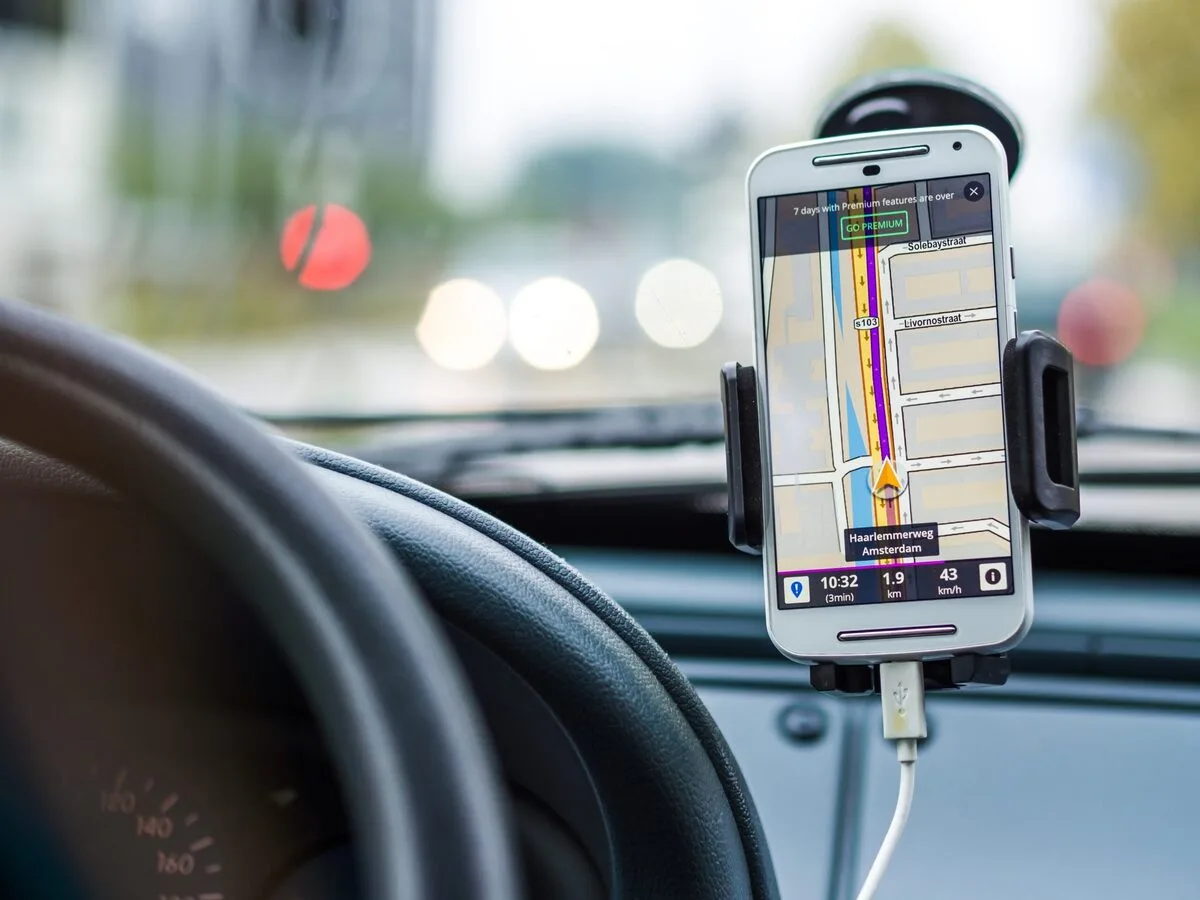
Download your route before leaving reliable phone coverage.
Your navigation preparation should include:
- your preferred navigation app;
- offline maps;
- the addresses of each hotel;
- planned fuel stops;
- rest areas;
- emergency services information;
- road-condition or traffic apps for the destination;
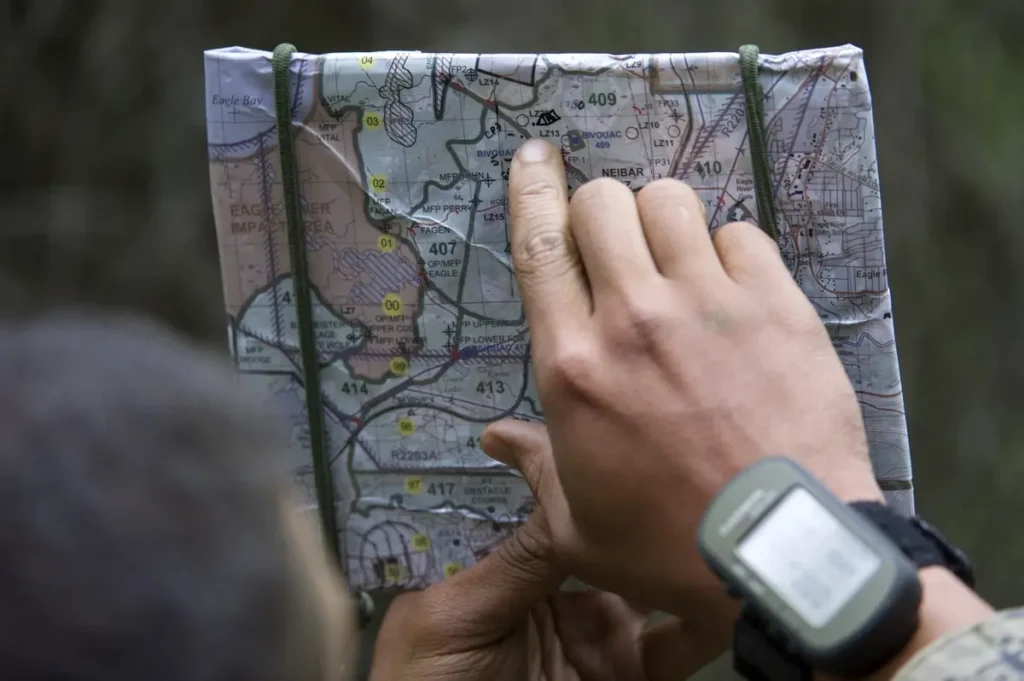
- a paper map for remote or complicated routes.
A phone mount allows the nominated driver to view directions without holding the device. Pack a charging cable that fits the vehicle and a power bank as backup.
Do not depend on one phone for navigation, documents, photography and communication. A flat, damaged or lost device should not leave the whole group without access to the itinerary.
A basic roadside kit
The equipment supplied with rental vehicles varies, so inspect the car before leaving the depot.
Check for:
- spare tyre or tyre-repair equipment;
- jack and wheel tools where supplied;
- warning triangle or reflective equipment;
- torch;
- first-aid kit;
- emergency contact details;
- roadside-assistance instructions.
A personal roadside bag can include:
- charged phone and power bank;
- torch;
- water;
- non-perishable snacks;
- basic first-aid supplies;
- reflective vest;
- rain protection;
- warm layer or blanket where conditions warrant it.
US road-safety guidance recommends carrying an emergency kit with a phone and charger, first-aid kit, torch, water and non-perishable food.
Do not attempt repairs you are not trained or equipped to make. Follow the rental company’s instructions and contact its roadside-assistance provider.
Clothing for changing conditions
Road trips often cross several climates during one holiday.
A USA itinerary can move from warm coastal weather to cold mountain conditions. An Australian route can change quickly between coast, inland areas and higher elevations.
Pack clothing that can be layered, including:
- comfortable travel clothes;
- light jumper or jacket;
- rain protection;
- enclosed walking shoes;
- spare socks;
- hat;
- swimwear where relevant;
- warm clothing for early starts or evenings;
- one accessible change of clothes.
Do not bury all the warm clothing in a suitcase if the day’s route includes a major change in altitude or temperature.
Packing for children
Children do not need unlimited entertainment, but they do need enough variety to make longer travel days manageable.
Depending on their ages, pack:
- headphones;
- downloaded films, audiobooks or music;
- colouring or activity books;
- a small selection of toys;
- travel games;
- comfort item or favourite toy;
- snacks divided into manageable portions;
- spare clothing;
- nappies and changing supplies;
- travel sickness supplies.
Keep screen chargers accessible and download content before leaving the hotel.
It can also help to show older children the route and give them a role, such as choosing a lunch stop, watching for a landmark or keeping a trip journal.
Packing for older travellers
The needs of grandparents and older family members can be overlooked when the itinerary is built around the children.
Check whether they need:
- easier access to the vehicle;
- additional legroom;
- regular walking and stretching breaks;
- medication within reach;
- a cushion or lumbar support;
- help lifting luggage;
- shorter driving days;
- accommodation with lifts or easy parking;
- mobility aids;
- more time at rest stops.
A route that looks simple on a map can become exhausting when several long driving days are placed back-to-back.
Plan your driving days realistically
Packing cannot fix an itinerary that asks too much of the travellers.
When estimating a travel day, allow time for:
- collecting or returning the vehicle;
- city traffic;
- fuel stops;
- meals;
- bathroom breaks;
- children needing time out of the car;
- sightseeing stops;
- roadworks;
- parking;
- finding and checking into the accommodation.
The driving time shown by a map is not the same as the total travel time.
NSW road-safety guidance recommends planning regular breaks even before you feel tired. Drivers should stop safely when they notice warning signs such as yawning, poor concentration, sore eyes or difficulty remaining in their lane.
For family holidays, I would normally avoid planning every day to the maximum distance technically possible. A little spare time makes the trip safer and gives the group room to enjoy an unexpected stop.
Check the car-hire conditions before leaving
Before driving away, check:
- the names of all authorised drivers;
- fuel policy;
- mileage allowance;
- toll arrangements;
- areas where the vehicle cannot be driven;
- restrictions on unsealed roads;
- insurance excess;
- roadside-assistance process;
- one-way rental charges;
- return location and opening hours;
- existing damage recorded on the vehicle report.
Photograph the car from several angles before leaving and again when returning it.
For overseas hire cars, confirm what vehicle insurance is included and how any rental-car excess cover in your travel insurance works. Some policies require the traveller to pay the rental company and seek reimbursement afterwards.
What you probably do not need
Packing lists often grow because people prepare for every imaginable situation.
For most family road trips, you do not need to buy a vehicle full of specialist accessories.
Be cautious about packing:
- bulky equipment available from the rental company;
- cooking and camping gear when staying in hotels;
- duplicate electronics;
- large quantities of food easily purchased along the route;
- tools you are not trained to use;
- items prohibited by airlines;
- loose accessories that reduce passenger space;
- too many bags for the booked vehicle.
The aim is to be prepared without making the vehicle uncomfortable or difficult to organise.
Family road trip packing checklist
Documents
- Driver licences
- Passports for international travel
- International Driving Permits where required
- Rental-car confirmation
- Accommodation confirmations
- Travel insurance information
- Emergency contacts
- Offline itinerary
- Tour and attraction bookings
Health and safety
- Prescription medication
- Small first-aid kit
- Sunscreen
- Insect repellent
- Hand sanitiser
- Spare glasses
- Water
- Emergency snacks
- Torch
- Power bank
Vehicle and navigation
- Phone mount
- Charging cables
- Offline maps
- Paper map for remote routes
- Roadside-assistance details
- Child restraints confirmed
- Toll arrangements confirmed
- Existing vehicle damage photographed
Comfort
- Light jacket
- Rain protection
- Hats
- Comfortable shoes
- Travel pillows where needed
- Accessible change of clothes
- Rubbish bags
- Small cooler bag
Children
- Child restraints
- Headphones
- Downloaded entertainment
- Activity books
- Snacks
- Comfort item
- Spare clothes
- Nappies or changing supplies where required
A good road trip begins with the route
A packing list can help the journey run more smoothly, but the biggest difference usually comes from getting the route right before anything is booked.
That means choosing a vehicle that fits both the travellers and their luggage, allowing realistic travel time, selecting sensible overnight stops and checking that the pace works for everyone.
Roam Wisely helps Australian families plan and book self-drive holidays across Australia and the USA, including accommodation, car hire, attractions and the wider itinerary.
Explore our Australia family holiday planning page or USA family holiday planning page for ideas and practical planning support.
For help building a road trip around your own family, book a free travel planning meeting.
Still not sure how to turn ideas like this into a trip you can confidently book?
If you’re feeling unsure about routes, timing, or what to book first, it may help to start here.
Want help applying this to your own trip?
If you’d like to talk it through and get clarity before booking, you can book a free consult.