Moreton Island: The Complete Family Destination Guide
A practical planning resource from Roam Wisely Travel — specialists in multigenerational family holidays across Australia and beyond.
Key Takeaways
- Moreton Island (Mulgumpin) sits about 40 kilometres northeast of Brisbane and is accessible by ferry in roughly 75 minutes from the Port of Brisbane, making it one of the most accessible island destinations in Queensland for families flying into Brisbane.
- A 3 to 4 night stay is ideal because it allows time to snorkel the Tangalooma Wrecks, complete a 4WD day trip to Cape Moreton, and still include rest periods, which is important for multigenerational groups managing different energy levels.
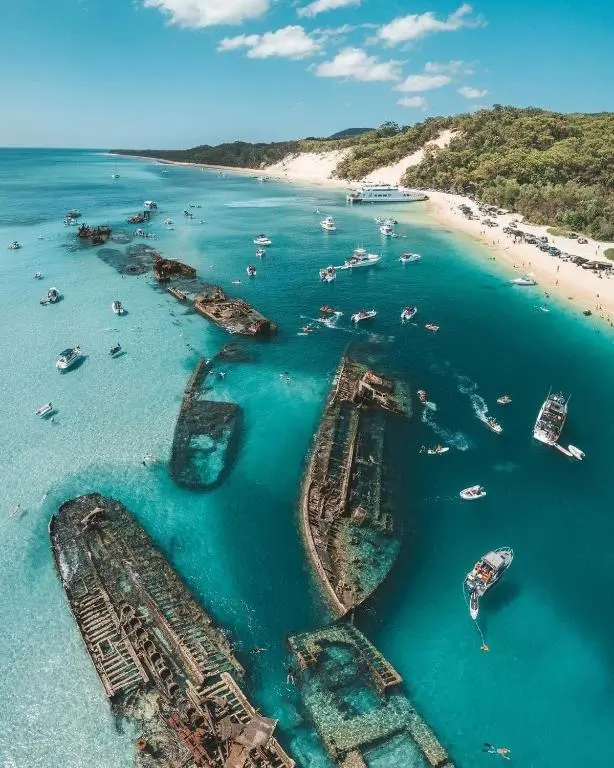
- The Tangalooma shipwrecks are the headline attraction, 15 deliberately scuttled vessels that create a snorkelling and diving site suitable for most ages and ability levels. The wrecks sit in relatively shallow water close to shore, which means first-time snorkellers and older family members can participate without deep-water swimming skills.
- Accommodation is concentrated around Tangalooma Island Resort on the western coast, with a smaller cluster of options at Bulwer in the north, pick your base based on the activities you want to prioritise.
- There are no paved roads on Moreton Island, which means a 4WD is essential for accessing most attractions beyond the resort areas. This also limits spontaneous travel, routes, tides, and fuel planning need to be considered in advance, particularly for trips to Cape Moreton or the eastern beaches.
- Dining options are limited to the resort and a handful of small cafes at Bulwer, which means families expecting restaurant variety comparable to a mainland destination will be disappointed. Managing expectations around food before you arrive prevents this from becoming a source of frustration during the trip, especially for larger multigenerational groups where dietary preferences vary.
Introduction
Planning a Moreton Island family holiday is a lot simpler than most Queensland island trips, but it comes with a few planning traps that catch families out if they haven’t done their research first.
Moreton Island is appealing because it combines easy ferry access from Brisbane with a largely undeveloped national park environment. Most families arrive by ferry from the Port of Brisbane, the crossing takes about 75 minutes, and vehicles can be loaded on the barge if you want to bring your own 4WD. You are close to a major city, but once you are on the island, the paved roads stop and the national park begins.
For multigenerational families, the key question is pacing. Most families settle into a rhythm by day two, mornings in the water at the wrecks or on a guided tour, followed by slower afternoons at the resort while different age groups recharge in their own way. The island has no shopping centres, no traffic lights, and limited dining outside the resort. Grandparents who prefer comfortable seating, reliable meals, and somewhere to sit out the heat will find Tangalooma Island Resort meets those needs reasonably well. Kids and younger adults who want to be in the water or on the sand will have no shortage of ways to fill the days.
If you are new to multigenerational travel planning, it helps to start here before you get into the specifics.
Recommended stay: 3 to 4 nights. Two nights is possible as a weekend trip but leaves little room for a slow morning or a change of pace if the weather turns.
Quick Facts
These key facts summarise the logistical realities of visiting Moreton Island, including access, transport limitations, and seasonal considerations that affect trip planning.
| Detail | Information |
|---|---|
| Location | Moreton Island (Mulgumpin), Moreton Bay, Queensland, approximately 40 km northeast of Brisbane |
| Best For | Families with school-age children, teens, and adults who enjoy water activities and beach days; multigenerational groups where most members are reasonably active |
| Recommended Stay | 3 to 4 nights |
| Peak Season | Queensland school holidays (particularly April, July, September, and December/January), book well in advance for these periods |
| Getting There | Ferry from Holt Street Wharf, Port of Brisbane (approximately 75 minutes); vehicle barge available if bringing your own 4WD |
| Roads | No paved roads, a 4WD is required to explore beyond the resort and Bulwer townships |
| Climate Note | Queensland summer (December to February) brings heat and humidity, the island can be uncomfortably hot midday for older travellers and young children. Shoulder seasons (March to May and September to November) offer better conditions for full-day activity |
| Drinking Water | Tap water on Moreton Island is not suitable for drinking, bring your own or purchase bottled water on arrival |
Use these quick facts to evaluate whether a Moreton Island family holiday suits your group before committing to planning.
1. Where to Stay: Accommodation for Multigenerational Groups
When planning a Moreton Island family holiday, accommodation is the first decision that shapes everything else. Accommodation on Moreton Island is concentrated in two main areas, Tangalooma and Bulwer, and the right choice depends on three factors: proximity to activities (particularly the wrecks and dolphin feeding), access to on-site dining (which removes evening transport logistics), and suitability for different mobility levels within your group.
Use the table below to shortlist options based on configuration, on-site facilities, and proximity to activities. The multigenerational note is the most important column; it is a practical assessment of how well each option works when your group spans grandparents, parents, and children.
| Property | Type | Location | Multigenerational Note |
|---|---|---|---|
| Tangalooma Island Resort | Full resort (hotel rooms, villas, units) | Western coast, central island | The most practical base for multigenerational groups. On-site dining removes evening transport logistics. Room configurations range from hotel rooms to beachfront villas. The main activity hub, dolphin feeding, water sports, and tour departures all operate from here. Grandparents who prefer not to drive will find everything they need within walking distance. |
| Castaways Moreton Island | Glampsite, self-contained apartments, group camping | Bulwer, northern end | Well suited to families who want a quieter, more independent experience. Eleven glamping tents and six self-contained apartments. The on-site cafe serves breakfast and lunch. The northern location suits groups doing island exploration by 4WD, it is further from the wrecks but closer to Cape Moreton and the sand dunes. Note the ferry schedule if you are based here as transfers require coordination. |
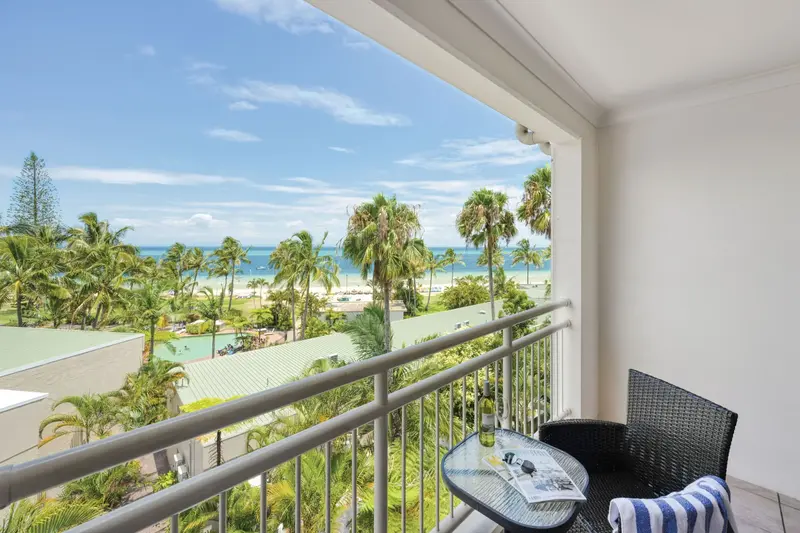
| Moreton View @ Tangalooma | Modern apartments | Adjacent to Tangalooma Resort | Good option for families wanting apartment-style accommodation with resort proximity. Spacious balconies with island views. Walking distance to Tangalooma facilities and dolphin feeding beach. Works well for two-family or grandparent-plus-family bookings where a shared apartment suits better than separate hotel rooms. |
| The Hamptons at Villa 43 | Private villa with pool | Tangalooma area | Higher-end option for smaller groups. Private pool is a genuine advantage for families with young children or for downtime between activities. Not well suited to larger multigenerational groups given the capacity, better for one family unit wanting more privacy. |
| Villa 21 Tangalooma | Self-contained villa | Tangalooma area | A comfortable home-away-from-home for family groups. Fully equipped kitchen gives flexibility for families who prefer self-catering some meals. Works well alongside a resort meal plan for flexibility. |
| Paradise Palms Tangalooma | Cabins in tropical setting | Tangalooma area | Cosy and relaxed. Better suited to groups who are comfortable with a lower-key setup. Hammocks and garden setting make it a genuinely peaceful option. Less suited to grandparents who need easier access or flat ground for mobility. |
| Moreton Bay Beach Lodge | Beachfront lodge (private rooms and dorms) | Beach access | Good for groups with teens or young adults who want direct beach access and a social atmosphere. Private rooms are available. Not the best fit for older travellers who prioritise comfort and quieter surrounds. |
| Shorebird on Moreton | Holiday house | Quiet corner of the island | Private and secluded, best for a single family group wanting a self-contained retreat. The home-like atmosphere suits families with young children well. Less practical for larger multigenerational groups needing multiple rooms or on-site dining. |
| The Wrecks Camping Area | National park camping | Near the Tangalooma wrecks | Basic facilities, suitable for families with older children and teens who enjoy camping. Not recommended for groups with grandparents unless they are experienced and comfortable campers. QLD Parks booking required in advance. |
| Blue Lagoon Camping Area | National park camping | Blue Lagoon, eastern coast | Tent camping near the freshwater lagoon. Beautiful setting. Best for active families who are self-sufficient. Plan your drive carefully, getting here requires a 4WD and navigating beach tracks. |
Planning note: Tangalooma Island Resort fills quickly during Queensland school holidays, particularly the Christmas/January period. If your travel window falls within a school holiday break, book accommodation as early as possible, the resort’s ferry also has capacity limits and sells out. The Wrecks and Blue Lagoon camping areas require advance bookings through the QLD Parks system.
2. What to Do: Activities for Mixed-Age Groups
Moreton Island works well for multigenerational groups because most of its headline activities are accessible without a high level of fitness. The Tangalooma wrecks can be snorkelled at the surface or viewed from a glass-bottom kayak. The dolphin feeding happens on the beach at dusk and requires nothing more than standing in shallow water. Sandboarding down the Desert dunes is as gentle or as fast as each person wants to make it.
The ratings below reflect both age suitability and how well each activity functions when the group spans grandparents, parents, and school-age children or teenagers.
| Activity | Best Age Range | Group Rating | Multigenerational Assessment |
|---|---|---|---|
| Snorkelling the Tangalooma Wrecks | 8 years and up | Highly Recommended | The standout experience on the island. Fifteen scuttled vessels sit in relatively shallow water close to shore. Snorkelling gear is available for hire at the resort. Older travellers who are not confident swimmers can view the wrecks from a glass-bottom kayak instead. Allow 2 hours. Book a guided snorkel tour for the best experience, particularly if anyone in your group is a first-time snorkeller. |
| Dolphin Feeding | All ages | Highly Recommended | A nightly event at Tangalooma Island Resort where wild dolphins come to shore to be hand-fed. One of the few genuine wildlife encounters in Australia that works well for every age group, including very young children and grandparents. Supervised by resort staff. The beach is flat and accessible. The wait time beforehand can be long, bring something to keep younger children occupied. |
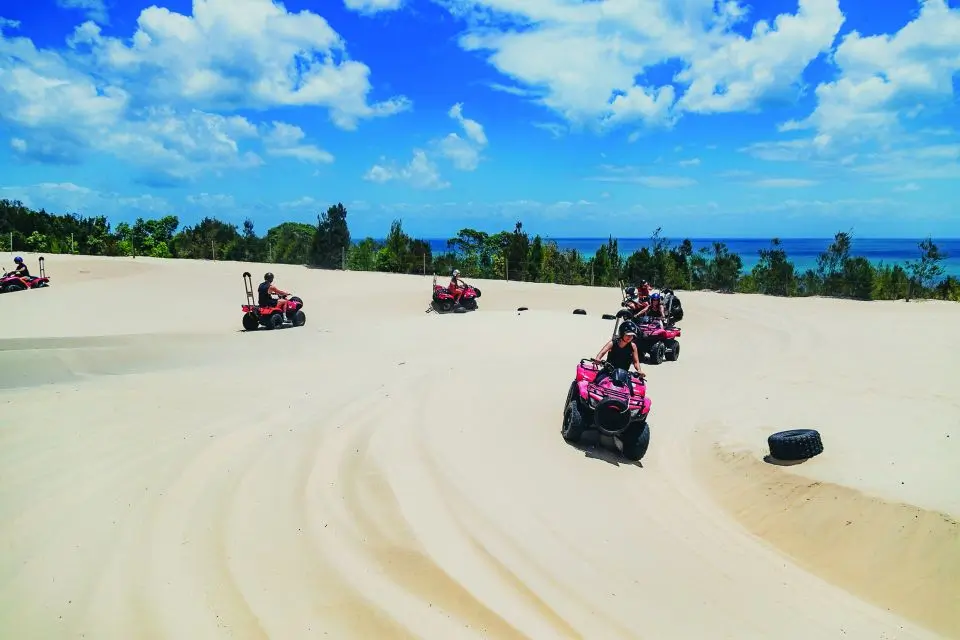
| Sandboarding at Desert | 6 years and up | Highly Recommended | Moreton Island’s interior has a large sand dune system known as Desert. Sandboarding down the dunes is straightforward and enjoyable for most ages. Getting up the dunes requires a 4WD and a walk, assess honestly whether older travellers in your group will manage the climb, as the ascent can be physically demanding. Less mobile travellers may prefer to stay at the base or skip the activity entirely. Boards are available for hire. |
| 4WD Island Exploration and Cape Moreton Lighthouse | 4WD required; all ages | Highly Recommended | Cape Moreton Lighthouse is the oldest lighthouse in Queensland and sits at the northern tip of the island. The drive there is part of the experience. The views from the cape cover both Moreton Bay and the open ocean. Most of the drive is on beach tracks and sand, if you have not driven on sand before, ask at the ferry terminal or hire company for a briefing first. |
| Kayaking | 10 years and up | Good | Glass-bottom kayaks are available at Tangalooma and let non-swimmers view the wrecks without getting in the water. Standard kayaks are also available for exploring the bay. Works well as a mid-morning activity before the heat builds. Not well suited to grandparents with limited upper body strength or shoulder issues. |
| ATV Quad Bike Tour | 16 years and up (younger on tandem) | Good | Available through guided tours departing from Tangalooma. A popular activity for teens and adults. Grandparents are better positioned watching from the resort, the vibration and physical demands are not suited to everyone. If the group wants to split for a morning, this is a good option for the more active members. |
| Scuba Diving the Wrecks | Certified divers or introductory dives | Good | The wrecks make for an excellent diving site for certified divers. Introductory dives are available for those without a licence. Not suitable for anyone with heart conditions or ear issues, check with the dive operator in advance. The coral and marine life on the wrecks are genuinely impressive. |
| Day Cruise with Dolphin and Wreck Viewing | All ages | Good | If your group includes people who are not comfortable in the water, a day cruise that takes in the wrecks and watches for dolphins from the boat is a solid alternative. Works particularly well for grandparents who want to be part of the day without the physical demands of snorkelling or kayaking. |
| Swimming and Beach Time | All ages | Good | Tangalooma’s western beach is calm and sheltered, well suited to young children and those who prefer gentle swimming. The eastern ocean beaches are more exposed and better suited to stronger swimmers. Check conditions with resort staff before heading to the ocean side. |
| Whale Watching (seasonal) | All ages | Good | Humpback whales migrate through Moreton Bay between June and November. Whale watching cruises depart from the resort during this window. A memorable experience for the whole group with no physical demands. Book in advance during peak whale season. |
Sample 4-Night Itinerary (Multigenerational Pacing)
| Day | Morning | Afternoon | Evening |
|---|---|---|---|
| Day 1 (Arrival) | Ferry departure from Port of Brisbane, arrive mid-morning, check in, settle | Explore the resort, hire snorkel gear, short swim at Tangalooma beach | Dolphin feeding at dusk. Dinner at Fire and Stone Restaurant |
| Day 2 | Snorkelling the Tangalooma Wrecks, guided tour recommended | Rest or kayaking for those who want more water time | Beach BBQ or The Gutter Bar |
| Day 3 | 4WD drive to Cape Moreton Lighthouse via beach tracks. Stop at the cape for views and a walk | Sandboarding at Desert | Anchorage Cafe for an early dinner, then watch the sunset from the beach |
| Day 4 | Whale watching cruise (June to November) or morning swim and relaxed beach time | Final activity of choice, ATV tour for the active members while others rest at the resort | Fire and Stone for a farewell dinner |
| Day 5 (Departure) | Early breakfast at Tangalooma Coffee Shop or Beach Cafe | Ferry back to Brisbane | Back on the mainland by early afternoon |
Ready to add some adventure to your Moreton Island trip? We’ve put together a hand-picked Viator list featuring some of the island’s best experiences, from snorkelling the Tangalooma Wrecks and dolphin encounters to sandboarding, kayaking, 4WD tours, and family-friendly day trips. Browse our Moreton Island activity list →
3. Where to Eat: Dining That Works for Everyone
Moreton Island is not a food destination in the same way that a city break might be. Dining is concentrated around the Tangalooma Island Resort precinct and a small cluster of options at Bulwer in the north. If you are based at the resort, most of your meals will be within walking distance of where you are staying.
The options below are assessed specifically for multigenerational group suitability. Venue status can change and we verify these recommendations during the planning process.
| Restaurant | Style | Location | Group Suitability Note |
|---|---|---|---|
| Fire and Stone Restaurant | Modern Australian, sit-down dining | Tangalooma Island Resort | The main restaurant at the resort. Menu includes locally sourced seafood, steaks, and a range of options that cover most dietary needs. Works well for larger groups, advise when booking that you have a multigenerational party as seating configurations vary. Booking recommended for dinner. Best suited to groups wanting a proper sit-down meal rather than casual grazing. |
| Beach BBQ | Casual outdoor | Tangalooma beachfront | A relaxed communal dining format on the beach. Ideal for families with young children who need space to move around. The outdoor setting makes noise less of an issue. Not ideal if grandparents prefer quieter, seated dining. Works best as a lunch or early evening option before the dolphin feeding. |
| Castaways Cafe and Store | Casual cafe, breakfast and lunch | Bulwer, northern end | Open daily from 8am to 4:30pm with last orders at 3pm. Serves fish, chips, burgers, sandwiches, and salads alongside barista coffee. Best brekky option on the northern end of the island. If your group is based at Bulwer or doing a day drive to the cape, this is a reliable stop. Not suitable for evening dining. |
| The Gutter Bar | Pub-style, casual | Moreton Island | Classic pub fare with ocean views. Fish and chips, seafood platters, and burgers. Good for an informal family lunch or afternoon meal. Noise levels are moderate, fine for most groups but not the quietest option for grandparents who find it difficult to hear in louder environments. |
| Tangalooma Coffee Shop | Coffee and light snacks | Tangalooma Island Resort | The go-to for morning coffee and pastries before heading out for the day. Takeaway or sit down. Limited seating but turns over quickly. Good option for an early start when the restaurant is not yet open. |
| Beach Cafe | Casual cafe | Tangalooma beachfront | Light meals, salads, and snacks with open views of the beach. Works well as a lunch spot between activities. The casual setting suits families with young children. Menu is lighter than Fire and Stone, good for those who want something between a snack and a full meal. |
| Anchorage Cafe | Relaxed cafe with outdoor terrace | Tangalooma area | A quieter setting than the main restaurant, the outdoor terrace suits grandparents who prefer to eat somewhere peaceful. Open for breakfast and lighter meals. Good option when the main dining room is busy or when the group wants to split for a meal. |
A practical note for larger groups: Moreton Island has no supermarkets. Castaways at Bulwer stocks basic grocery essentials, bread, milk, and fresh produce. If your group is self-catering in a villa, bring the bulk of your supplies from the mainland on the barge. The island store is a backup for essentials, not a weekly shop.
Is Moreton Island Right for Your Family?
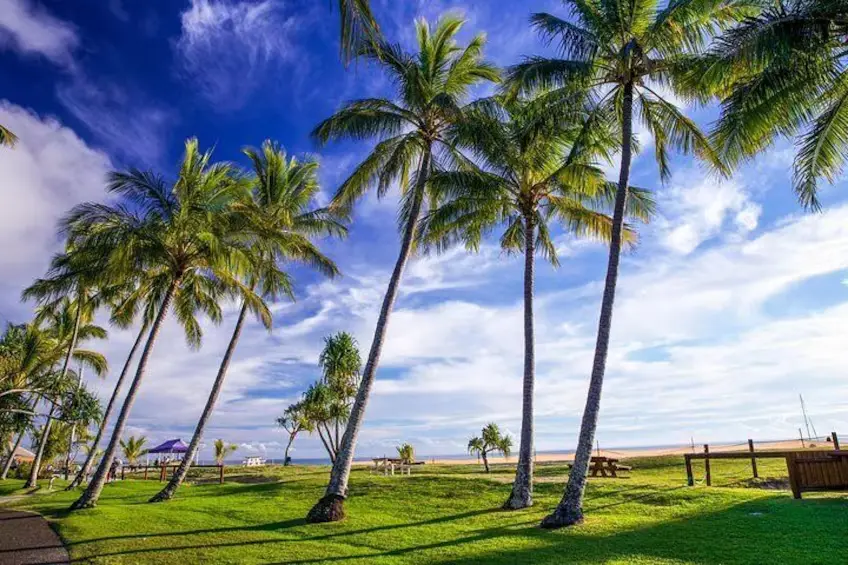
Moreton Island is best suited to families who are comfortable with limited infrastructure, enjoy outdoor and water-based activities, and are willing to plan around 4WD access and ferry logistics.
It is less suitable for travellers seeking luxury resort amenities, extensive dining variety, or easy transport between locations without a 4WD vehicle.
4. Planning a Moreton Island Trip as a Multigenerational Group
The logistics of a multigenerational trip to Moreton Island differ from a standard family holiday in ways that are not always obvious until you are already there. If you would like structured support working through these details, see how it works to understand what working with us looks like.
Here is what consistently catches families out when planning independently.
Getting There and the 4WD Question
The vehicle barge runs from Luggage Point in the Port of Brisbane area. You can bring your own 4WD, hire one on the island, or use the resort ferry service if you are staying at Tangalooma and do not need a vehicle for island exploration.
If your plans include Cape Moreton, Desert, or the east coast beaches, you will need a 4WD. Front-wheel-drive vehicles cannot manage the beach tracks and sand crossings.
Driving on sand is different from road driving. Tyre pressure needs to be reduced before heading onto the beach, and knowing when and where the tide cuts off certain tracks matters. If anyone in your group has not driven on sand before, spend 15 minutes with the hire company getting a proper briefing. It is not difficult, but it is not intuitive either. The island has no roadside assistance in any meaningful sense, getting stuck is a real possibility and requires preparation.
Pacing the Days
Three or four nights hits the sweet spot for most multigenerational groups. It gives you at least one full active day, one relaxed beach day, and a morning for something slower before the return ferry.
The mistake is trying to fit every activity into every day. Sandboarding, snorkelling, a cape drive, a cruise, and dolphin feeding across three days is achievable, but leaves no room for anyone to slow down if they need to. Build a rest afternoon into the plan. Grandparents who are not joining an activity should have somewhere comfortable to sit with a view, not just be left waiting at the accommodation.
The Drinking Water Issue
This is worth stating clearly: the tap water on Moreton Island is not safe to drink. Every member of your group needs to bring bottled water or have a plan for purchasing it on the island. For larger groups, buying water in bulk from the mainland and bringing it over is significantly cheaper than buying it at resort prices.
Budget Alignment
Moreton Island is not a cheap destination once you add up the ferry fares, barge costs (if applicable), accommodation, activities, and meals. For multigenerational groups where different family members are covering different costs, it helps to have a clear conversation about the budget before you book. Activity costs in particular vary widely. A guided wreck dive is a different price point to a day on the beach. The dolphin feeding at Tangalooma requires a resort booking and is not free.
If the group has mixed spending comfort levels, identifying which activities are a shared priority and which are optional lets individuals opt in or out without it becoming a source of tension during the trip.
Extending Your Stay
Moreton Island pairs well with a Brisbane stopover before or after the ferry. If your group is flying in from interstate, a night in Brisbane on arrival gives everyone time to recover from travel before the early ferry departure. The Port of Brisbane is not close to the CBD, so factor in the drive time from wherever you are staying.
For families wanting to see more of Queensland in the same trip, the Sunshine Coast to the north and Gold Coast to the south are both within easy driving distance of Brisbane.
Common Mistakes to Avoid
Planning a Moreton Island trip involves several logistical elements that families frequently underestimate:
Underestimating the need for a 4WD. Many families assume they can explore the island without one, but most attractions beyond Tangalooma Resort require off-road driving. Beach tracks and sand crossings are impassable for standard vehicles.
Booking ferry transfers too late during Queensland school holidays. The vehicle barge and passenger ferry both have capacity limits and sell out weeks in advance during peak periods. Accommodation at Tangalooma fills even earlier.
Expect a wide range of dining options. The island has one main resort restaurant and a handful of small cafes. Families expecting the variety of a mainland destination will be disappointed.
Planning too many activities without rest time. Trying to fit snorkelling, sandboarding, a cape drive, and multiple tours into three days leaves no room for anyone to slow down. Grandparents who skip an activity still need somewhere comfortable to sit, not just be left waiting at the accommodation.
5. Frequently Asked Questions
Is Moreton Island good for multigenerational family holidays?
Yes, with some honest caveats. The island works well for multigenerational groups where most members are reasonably active and comfortable with a beach-and-water-based holiday. The dolphin feeding and snorkelling at the wrecks are accessible across a wide age range. The limitations are the lack of paved roads, limited dining variety, and the absence of the kind of comfortable urban amenities that some grandparents prefer. Tangalooma Island Resort mitigates most of these concerns for groups based there, it has on-site dining, flat beach access, and most activity departures within walking distance.
How many days do you need on Moreton Island with family?
Three to four nights covers the main activities at a comfortable pace for a multigenerational group. Two nights as a weekend trip works but leaves little flexibility. If you are spending significant money getting there and back, three nights is the minimum to feel like the trip was worth the logistics.
What is the best time of year to visit Moreton Island with family?
Shoulder seasons (March to May and September to November) offer the most comfortable conditions for full-day activity, particularly for older travellers and young children. September to November also falls within whale watching season, which adds a genuinely memorable experience with no physical demands. Queensland school holidays (April, July, September, December/January) are the busiest periods, accommodation books out quickly and the ferry has capacity limits. If you are planning a school holiday trip, book at least three to four months in advance.
Which Moreton Island accommodation works best for multigenerational groups?
Tangalooma Island Resort is the most practical base for the majority of multigenerational groups because it keeps the group together, eliminates evening transport logistics, and puts everything within walking distance. Families who want more independence or a quieter experience at a lower price point will find Castaways Moreton Island at Bulwer a good alternative, though the more limited dining and greater distance from the wrecks are trade-offs worth considering. Self-contained apartments at Moreton View or Villa 21 work well when two family units want to share a larger space.
Are there good free or low-cost activities on Moreton Island?
Beach swimming at Tangalooma and along the western coast costs nothing. Walking tracks around the resort area and the dunes are free. The Cape Moreton Lighthouse itself is free to visit, the main cost is the 4WD fuel and any ferry or barge fees. The dolphin feeding requires a resort package. Snorkel gear hire adds a daily cost. Camping in the national park is the lowest-cost accommodation option, but it requires self-sufficiency and is not suited to all family members in a multigenerational group.
What’s Next?
Coordinating a multigenerational holiday involves more moving parts than most families expect: ferry schedules, vehicle logistics, accommodation configurations, activity selection that works across age groups, and a budget conversation that keeps everyone comfortable.
Roam Wisely Travel specialises in getting the structure right before you book, so the trip works for every age group and nobody arrives exhausted on day one.
Talk through your group’s requirements, travel dates, and any concerns before committing to anything.
Tell us about your group and what you are hoping to achieve. We will come back with a structured plan.
This guide was written by Roam Wisely Travel. Accommodation and restaurant recommendations are based on suitability for multigenerational families. No sponsorship relationships influence these recommendations.
Still not sure how to turn ideas like this into a trip you can confidently book?
If you’re feeling unsure about routes, timing, or what to book first, it may help to start here.
Want help applying this to your own trip?
If you’d like to talk it through and get clarity before booking, you can book a free consult.