When to Book a Japan Trip: A Practical Planning Timeline for Australians
Planning a trip to Japan can feel surprisingly noisy — even for travellers who are confident planners and used to organising complex holidays.
Advice online often swings between two extremes: book everything immediately or leave it all until the last minute. Add cherry blossom season, school holiday calendars, and the logistics of travelling as a family, and it’s easy to feel pressure to lock in decisions before they’ve really been thought through.
This guide is designed to cut through that noise.
Rather than focusing on speed, it looks at what actually needs to be decided early, what can wait, and how to sequence bookings so the trip still feels flexible once you’re there. The goal isn’t to rush — it’s to book with confidence.
Who this planning advice is for
This guide is written for Australian travellers who are experienced holiday-makers but time-poor.
Often that means couples or families who:
- Travel once or twice a year by choice, not impulse
- Value comfort, structure, and meaningful experiences
- Are happy to invest in quality, but not waste time
- Want expert guidance to filter options and reduce overwhelm
It’s particularly relevant if you’re coordinating work schedules, school terms, or multiple travellers and want the trip to feel considered rather than compressed.
This isn’t a last-minute packing checklist, and it’s not aimed at budget backpacking. It’s for travellers who want to make the right decisions in the right order.
If you’re already thinking about a Japan trip and want confidence around timing or booking order, this is a good point to reach out.
Book a planning call or send a travel enquiry to talk through your ideas before making any commitments.
What actually needs to be booked early for a Japan trip
One of the biggest sources of stress when planning Japan is not knowing what genuinely benefits from early booking — and what doesn’t.
For most trips, early planning is about clarity, not locking everything in.
If you’d like advice on how cherry blossom timing feels for families, check out our guide to family-friendly cherry blossom trips in Japan.
Flights
Flights usually benefit from earlier attention, particularly when travelling from Australia during popular periods such as spring, autumn, or school holidays.
This doesn’t mean buying the first fare you see. It means understanding which dates are flexible, monitoring options early, and being ready to book once the overall structure of the trip feels right.
Core accommodation bases (and room size considerations)
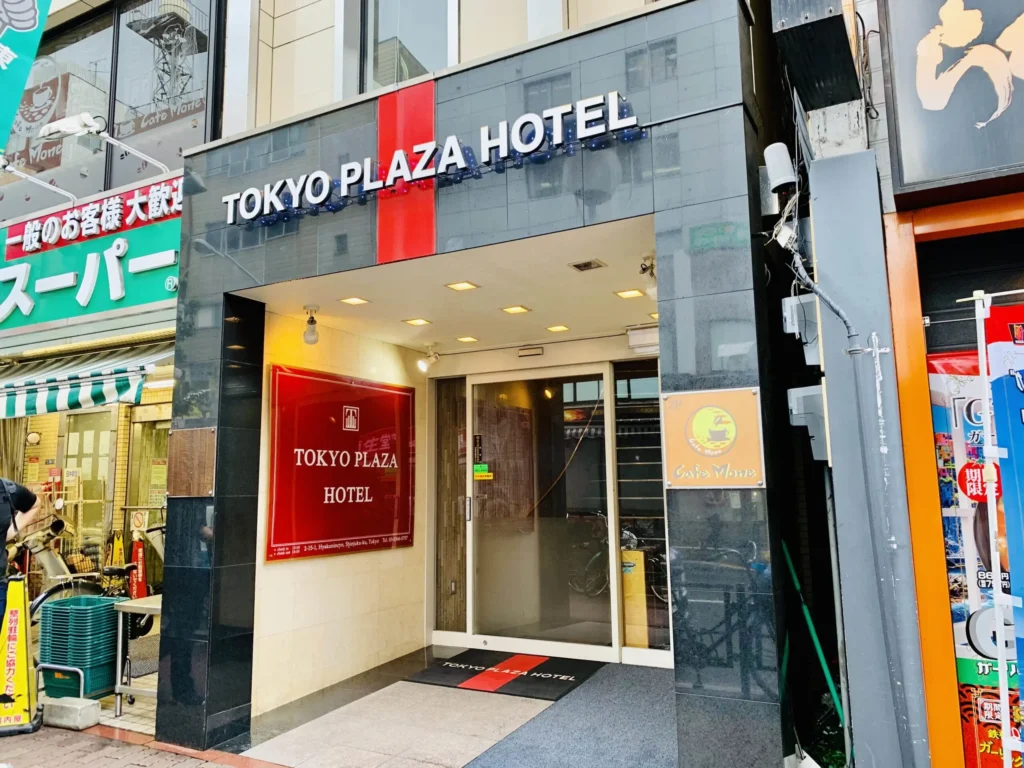
Rather than booking every night early, it’s often more effective to decide which cities or regions you’ll base yourselves in and secure accommodation for those key stays.
One detail that’s worth considering early — especially for families — is room size.
Japanese hotel rooms are often smaller than what many Australian travellers are used to, particularly in city locations. While this isn’t usually an issue for couples, it can affect comfort when travelling as a family.
On our own trips, we’ve often found that booking two rooms made more sense than trying to fit everyone into a single room. Not because accommodation quality was lacking, but because space, storage, and bed configuration mattered after long days out.
This doesn’t mean booking every night months in advance, but it does mean paying close attention to room layouts and family suitability when you do secure key accommodation bases.
Longer-distance rail travel (Shinkansen)
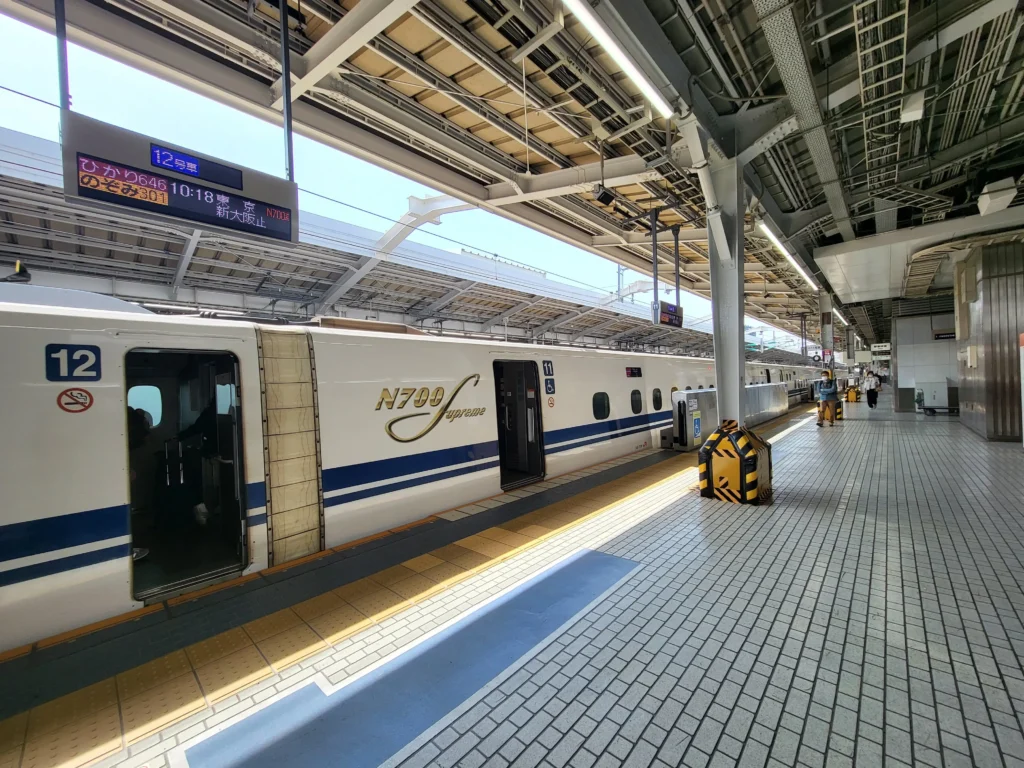
Another area where early planning can be helpful is longer-distance train travel.
While it isn’t strictly required to reserve seats on the Shinkansen in advance, we’ve found it’s often worth doing — particularly when travelling as a family or during busier periods. Reserving seats early helps ensure everyone sits together and removes one more decision from travel days.
This doesn’t mean locking in every train months ahead. It simply means identifying key intercity journeys and securing those once the overall structure of the trip is clear.
If you’re currently balancing flights, accommodation, and key train journeys, this is often where families choose to pause and get advice.
Book a planning call or reach out here to confirm what to lock in now and what can wait.
What can usually wait without adding risk
Just as important as knowing what to book early is knowing what doesn’t need to be rushed.
In Japan, many practical details work best when left until the overall structure is clear. Local transport decisions rarely need to be finalised months in advance. Most travellers simply pick up an IC card — such as the Welcome Suica — on arrival and use it across trains, subways, and buses as needed.
The same applies to day trips, sightseeing, and restaurant plans. While it’s helpful to have ideas in mind, locking these in too early often reduces flexibility rather than increasing certainty.
When to book a Japan trip: a realistic planning timeline
Around 6–9 months out
This is the thinking phase. The most valuable work is clarifying season, regions, and constraints — including understanding how cherry blossom season really works.
Read our guide to cherry blossom timing in Japan
Around 3–6 months out
This is often the ideal window to confirm flights and key accommodation bases, once the overall structure feels settled.
Around 1–3 months out
This is the refinement phase. Longer train journeys are often reserved here, while local transport remains flexible using an IC card.
Final weeks
The focus shifts from planning to preparation — documents, apps, and practical readiness. This isn’t the stage to add complexity.
Where booking timing matters most in Japan
Timing pressure in Japan tends to be regional and seasonal rather than universal.
Considering alternatives beyond the busiest routes can ease booking pressure significantly — particularly in spring.
See where to view cherry blossoms in Japan beyond Tokyo
Why booking Japan can feel more urgent than it needs to be
Cherry blossom hype, social media itineraries, and “book now” messaging often create unnecessary pressure. While some elements benefit from early attention, many others improve when left open.
How to approach booking Japan with confidence
Confident planning isn’t about locking everything in early. It’s about sequencing decisions so each one supports the next — keeping the trip flexible once you’re there.
Signs you may be booking too much, too early
- Every night is locked in before the structure feels clear
- Decisions are driven by anxiety rather than clarity
- You feel boxed in months before departure
- Changing one element feels disproportionately difficult
Frequently asked questions about booking a Japan trip
When should Australians book a Japan trip?
In most cases, structured planning 6–9 months out works well, with key bookings often falling 3–6 months before travel.
Is it risky to wait on accommodation?
Securing key bases early while leaving flexibility elsewhere usually works best.
Does cherry blossom season change booking timelines?
It benefits from earlier thinking, not rushed booking.
Ready to talk through your Japan trip?
If you’re considering a Japan trip and want support with timing, booking decisions, and structuring the trip properly, we’d be happy to help.
Still not sure how to turn ideas like this into a trip you can confidently book?
If you’re feeling unsure about routes, timing, or what to book first, it may help to start here.
Want help applying this to your own trip?
If you’d like to talk it through and get clarity before booking, you can book a free consult.