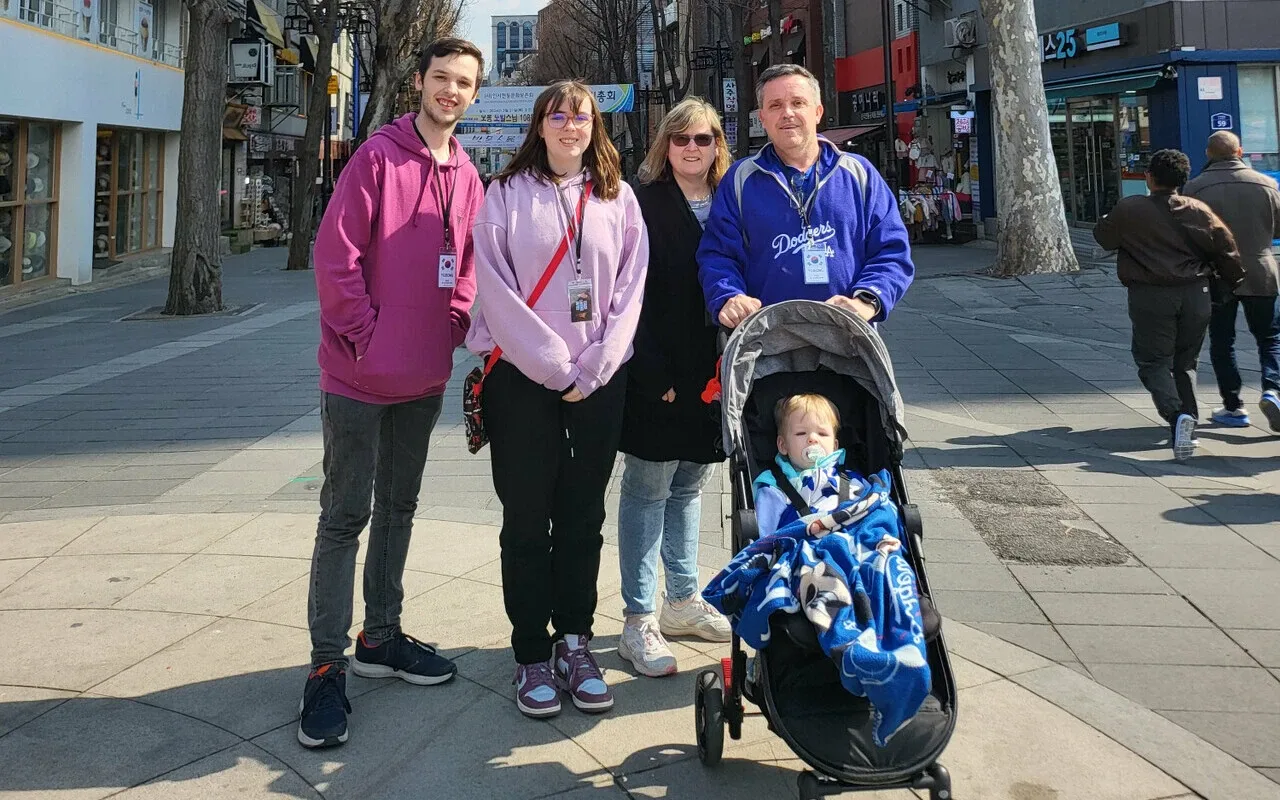
Planning a Holiday with Kids and Grandparents? Read This Before You Book
Planning a multi-generational family holiday is one of the most meaningful trips you can take.
It is also one of the most complex.
When you are travelling with kids and grandparents, you are balancing mobility, stamina, privacy, budgets, comfort, expectations, and emotional dynamics across three generations.
For many Australian families, multi-generational travel planning becomes overwhelming not because of where to go, but because of how to make the trip work for everyone.
If you are unsure where to begin, start with our guide on where to start with your trip planning.
Most families do not struggle choosing a destination.
They struggle deciding how the trip should actually function as a three-generation family trip.
Key Takeaways
- Multi-generational travel planning requires structure before bookings.
- Fewer accommodation bases reduce exhaustion and friction.
- Accommodation layout matters more than star rating.
- Transport and transition days are often underestimated.
- Aligning expectations early prevents tension mid-trip.
- Australian families travelling long haul must factor in jet lag and stamina.
- The right structure protects relationships as much as logistics.
Why Multi-Generation Travel Needs Structure First

Couples can adjust easily.
Young families can recover from a busy day with a slower morning.
But once you add grandparents, every planning decision carries more weight.
In three-generation travel planning, you need to consider:
- Walking tolerance and terrain
- Lift access and stairs
- Bathroom configuration
- Bedroom separation
- Noise tolerance
- Energy differences between age groups
- Medical considerations
- Insurance implications
- Seasonal weather impact
A plan that feels flexible with two people can feel exhausting with six.
Structure reduces friction. It also protects relationships.
The Hidden Complexity of Multi-Generational Travel
Many families underestimate the planning layer involved.
Here are some of the unseen factors that matter.
Room Configuration
Standard hotel rooms rarely work well for a multi-generational family holiday.
You may need:
- Interconnecting rooms
- Two bedroom apartments
- Villas with separation
- Properties with lift access
- Ground floor options
In a three-generation family trip, layout matters more than luxury.
The wrong configuration creates tension. The right one creates breathing space.
Daily Pace
Children can move quickly.
Grandparents may prefer steady pacing.
Parents are often managing both ends.
A well structured itinerary staggers high energy days with slower days. It clusters attractions geographically. It avoids long backtracking routes.
Pace is the most underestimated element of multi-generational travel planning.
Emotional Energy
Family dynamics matter.
A multi-generational family holiday compresses people into shared space.
Planning must allow for:
- Solo time
- Flexible afternoon breaks
- Optional activities
- Meals that suit everyone
Not every experience needs to be shared by every person.
Five Planning Mistakes That Derail Multi-Generational Holidays
1. Treating It Like a Standard Family Trip
Multi-generational travel is not simply a bigger family holiday.
It is layered.
What works for a couple with children may not work when grandparents are involved.
Itinerary speed, accommodation layout, and transport decisions need recalibration.
2. Overloading the Schedule
Families often feel pressure to maximise the opportunity, especially when travelling long haul from Australia.
This leads to:
- Early starts every day
- Limited downtime
- Constant relocation
- Long activity lists
In reality, depth works better than volume.
Two well-paced destinations often create better memories than six rushed ones.
3. Ignoring Transport Practicalities

Multi-generational travel amplifies transport friction.
Consider:
- Luggage handling
- Car seat logistics
- Walking from train platforms
- Cruise embarkation procedures
- Airport terminal transfers
A two hour connection may be manageable for two adults. It can feel stressful when travelling with kids and grandparents.
Transport planning must account for real conditions.
4. Not Aligning Budget Expectations Early
Different households often have different financial comfort levels.
Before booking anything, families should clarify:
- Accommodation category expectations
- Dining style preferences
- Activity spending limits
- Whether costs are shared evenly
Planning early avoids awkward conversations mid trip.
5. Booking Before Finalising Structure
Many families secure flights first because prices feel urgent.
Flights should support the itinerary, not dictate it.
Route design should come before major commitments wherever possible.
Destination Considerations for Multi-Generation Travel in Australia
For families planning multi-generation travel from Australia, distance adds another layer of complexity.
Long haul flights, jet lag, and school holiday timing require careful sequencing.
Destinations that lend themselves to three-generation travel often have:
- Strong public transport
- Central base options
- Accessible infrastructure
- Variety in accommodation styles
Cruises can simplify logistics because accommodation and dining are bundled. However, cabin configuration and shore excursion pacing need careful review.
The destination matters less than the design.
Accommodation Strategy for a Three-Generation Family Trip
Accommodation decisions can make or break a multi-generational family holiday.
Key considerations include:
- Lift access
- Distance from attractions
- Bedroom separation
- Laundry facilities
- Kitchen access
- Quiet hours
Apartments and villas often provide flexibility. Serviced properties can reduce stress.
There is no single correct answer. The solution depends on your group.
When Families Reach the Decision Point
Most families contact us when planning a holiday with grandparents for the first time.
They have multiple accommodation tabs open, flight alerts saved, and attraction lists growing.
What they do not have yet is clarity on how it all fits together.
That is where structured family travel planning help becomes valuable.
Multi-generation travel planning is about sequencing decisions properly.
Which base first?
How long in each location?
Where to reduce movement.
What to remove.
If you would like to understand the step by step process we follow with families, you can read more about how our planning process works
Clarity at this stage prevents regret later.
How We Help with Multi-Generation Travel Planning
At Roam Wisely Travel, we regularly plan multi-generational family holidays across the USA, Japan, South Korea, the UK and Australia.
Our focus is structure before transactions.
If you are unsure whether you are ready to book or still shaping ideas, reviewing how it works will explain the process clearly.
Your initial planning consultation is complimentary.
During that call we assess:
- Group composition and ages
- Mobility considerations
- Travel style and pace preferences
- Accommodation expectations
- Budget alignment
- Seasonal timing
If you are still early in the research phase, our article on where to start with multi generation travel planning will help you clarify your next steps.
If you proceed with detailed itinerary design, a planning deposit applies. That deposit is credited toward your booking when you move forward.
This approach ensures decisions are intentional and bookings support the overall structure.
Frequently Asked Questions About Multi-Generation Travel
What is the best destination for multi-generational travel in Australia?
There is no universal answer. The best destination depends on infrastructure, accommodation options, and realistic pacing. For Australian families travelling long haul, cities with strong public transport and central bases often work well.
How do you manage travelling with kids and grandparents on the same itinerary?
Balance is key. High energy days should be followed by slower mornings. Accommodation should allow privacy. Not every activity needs to include every person.
How long should a multi-generational family holiday be?
For most Australian families travelling internationally, 10 to 16 nights works well. Shorter trips can feel rushed. Longer trips require careful pacing.
Should grandparents have their own room?
In most cases, yes. Privacy improves harmony. Interconnecting rooms or apartments with separation often work best.
When should we start multi-generational travel planning?
Ideally 8 to 12 months before departure, especially for school holiday travel. Larger group accommodation requires earlier commitment.
Final Thought
Multi-generational holidays create memories that span decades.
But success rarely happens by accident.
The difference between stressful and smooth usually comes down to structure.
If planning currently feels complicated, that is normal.
It means the design stage matters.
Book a complimentary planning call and we will help you structure the trip properly before you commit to bookings.
Still not sure how to turn ideas like this into a trip you can confidently book?
If you’re feeling unsure about routes, timing, or what to book first, it may help to start here.
Want help applying this to your own trip?
If you’d like to talk it through and get clarity before booking, you can book a free consult.