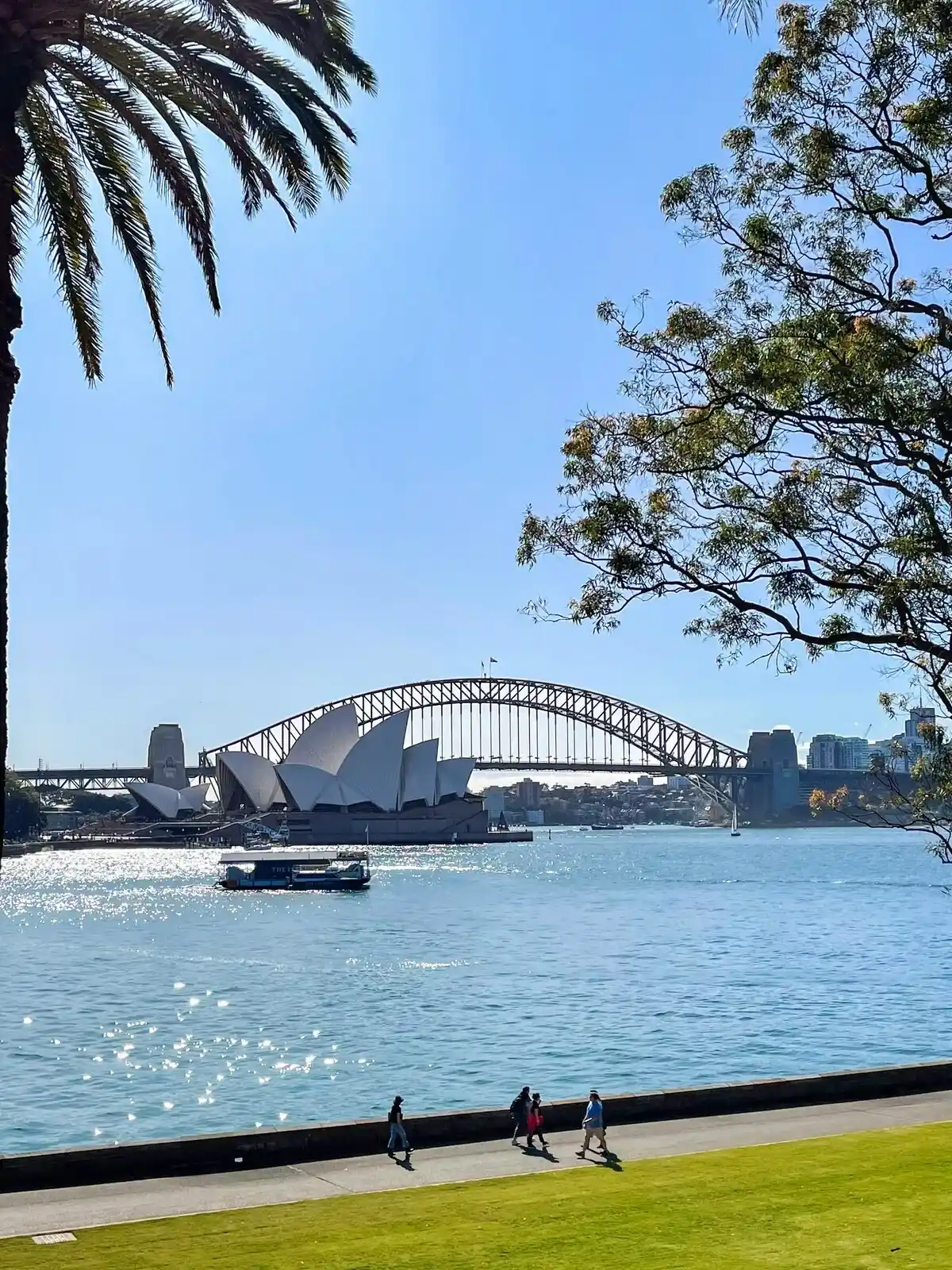
How to See More of NSW (Without Turning Your Holiday Into a Project)
Key Takeaways
- NSW distances, traffic, and pacing are often underestimated
- Short stays benefit more from thoughtful planning than packed itineraries
- Mixing independent travel with some structure often leads to better trips
- You don’t need to organise everything yourself to travel well
- The best NSW holidays balance freedom, energy, and support
New South Wales looks deceptively easy to travel around. On a map, everything feels close together, especially if you’re based in Sydney. It’s tempting to think you can fit in “just one more thing” each day.
In reality, distances add up quickly, traffic can be unpredictable, and planning even a simple day out can quietly start to feel like work.
For many travellers, the challenge isn’t where to go in NSW.
It’s how to see more while managing time, transport, and energy — particularly on a short break.
This article is designed to help you make calmer, more confident planning decisions so your holiday feels like a break, not another project to manage.
NSW Is Bigger (and Busier) Than It Looks
One of the most common issues travellers run into when planning NSW trips is underestimating scale.
Based on working with both first-time and repeat visitors to the state, we often see people assume that regional NSW works like inner Sydney — quick drives, easy parking, and flexible timing. In practice, that’s rarely the case.
Common NSW day-trip assumptions that often catch travellers out include:
- The Blue Mountains may look close, but traffic bottlenecks and limited parking can slow down the day
- Wine regions appear nearby on a map, but safe and practical transport quickly becomes a consideration
- Coastal and regional roads often take longer than expected, particularly on weekends or school holidays
None of these are problems on their own. They become problems when they’re stacked together in a tight itinerary.
When travel time is underestimated, the result is often rushed stops, shortened experiences, and the sense that you’re constantly watching the clock. Over a few days, that pressure adds up.
Seeing less, but doing it well, usually creates a far better experience.
Why “Doing Everything Yourself” Isn’t Always the Best Option
There’s a strong cultural idea — particularly among Australian travellers — that the best way to explore NSW is to self-drive and self-plan every detail.
For some people, that works beautifully. For others, it quietly creates stress.
If you’re:
- Short on time
- Travelling with children or multiple generations
- Visiting NSW after a busy period at work
- Less interested in driving than experiencing
…it’s worth questioning whether full self-management is actually serving you.
Letting go of some logistics doesn’t mean giving up control. It means deciding where your energy is best spent.
That might involve choosing one structured regional experience instead of several self-driven outings, or simplifying transport so you can focus on scenery rather than directions. Even travellers who enjoy driving often benefit from being selective — especially when planning road trips around Sydney, where timing and traffic make a real difference.
The goal isn’t convenience for its own sake.
The goal is protecting your enjoyment.
Short Stays Demand Better Trade-Offs
Short breaks are where planning decisions matter most.
When travellers only have a few days in Sydney or NSW, there’s often pressure to “make the most of it.” Ironically, this is where overplanning does the most damage.
Trying to combine:
- City sightseeing
- A regional day trip
- A coastal drive
- Meals, shows, or family commitments
…can leave very little breathing room.
What often works better is choosing one experience outside the city that feels complete and intentional.
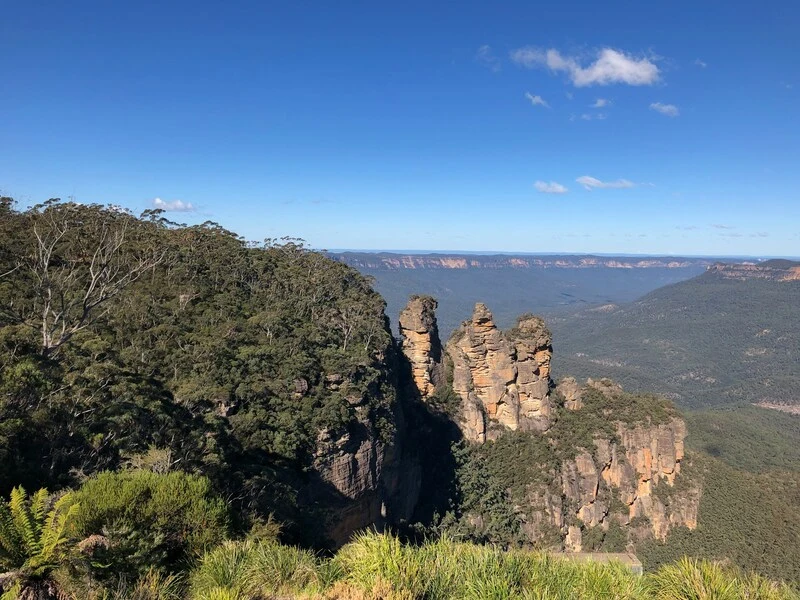
For example, families visiting the Blue Mountains often enjoy the day more when transport and timing are simplified. Instead of juggling directions and parking, they can focus on short walks, lookouts, and shared time — which is what they’ll actually remember. If you’re considering the area, our guide to things to do in the Blue Mountains gives a good sense of what’s worth prioritising.
Short stays benefit from depth, not breadth.
Why Mixing Travel Styles Works So Well in NSW
Many travellers feel they need to choose a single “right” way to travel — independent, guided, slow, or structured.
In practice, the best NSW itineraries usually combine elements.
A balanced approach might include:
- Independent time in Sydney for dining, wandering, and downtime
- One or two planned experiences outside the city
- A deliberately slower pace rather than constant movement
This mix allows you to enjoy freedom where it matters most, while removing friction where NSW travel tends to be more demanding.
Importantly, it also gives you permission to stop trying to optimise every moment.
NSW Places That Reward a Slower, More Thoughtful Trip
New South Wales isn’t short on destinations — but some places shine most when you give them a little breathing room and don’t try to rush the experience.
Here are a few regions that regularly resonate with travellers looking for trips that feel restorative rather than packed.
The Blue Mountains
Just beyond Sydney, the Blue Mountains offer a dramatic shift in pace and landscape. Eucalyptus forests, sandstone cliffs, cool air, and small towns make it an easy reset from city life.
This region works best when you’re not trying to squeeze it in between other commitments. Whether it’s a focused day or a relaxed overnight stay, the Mountains reward unhurried time and simple planning.
Hunter Valley
The Hunter Valley is often thought of as a quick wine stop, but its appeal runs deeper than cellar doors.
Long lunches, local produce, rolling vineyards, and gentle scenery make it well suited to travellers who want to slow down and settle into a rhythm — even if only for a day or two. If you’re weighing up whether it’s worth including, our overview of things to do in the Hunter Valley helps put the experience into context.
South Coast (Jervis Bay, Kiama, Batemans Bay)
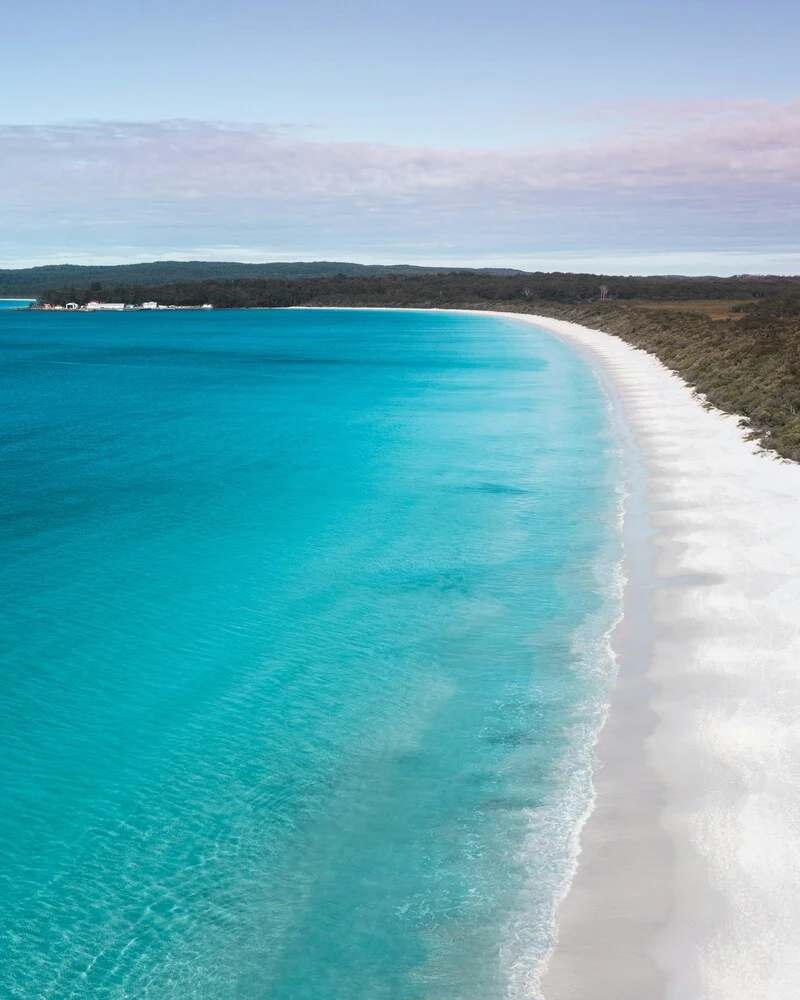
The NSW South Coast suits travellers who want natural beauty without a high-rise resort feel.
White-sand beaches, coastal walks, and relaxed towns make this region ideal for couples, families, and anyone craving space and fresh air. Rather than hopping between towns, choosing one base and exploring gently often leads to a more satisfying stay. If this region appeals, you might enjoy our guide to things to do in Jervis Bay and Kiama.
National Parks and Nature-Focused Escapes
For travellers who feel most refreshed outdoors, NSW’s national parks offer a chance to slow right down.
Whether it’s bushwalking, wildlife, or simply space to breathe, nature-focused trips tend to work best when they’re not rushed. Exploring fewer locations more deeply — rather than ticking off multiple stops — often leads to a more meaningful experience. Our article on exploring national parks in New South Wales gives a sense of what’s possible when you take this approach.
Inspiration Without Overcommitment
You don’t need to see all of New South Wales to experience what makes it special.
Often, choosing one region that suits your travel style — and giving it the time and energy it deserves — creates a stronger connection than trying to touch everything briefly.
When Structure Adds Real Value
Not every experience needs planning support. Some parts of NSW are easy to explore independently, particularly if you have time and flexibility.
Structure tends to add the most value when:
- Traffic, parking, or navigation are genuinely frustrating
- Local context enhances what you’re seeing
- Driving back afterwards would feel tiring rather than enjoyable
Used selectively, structure doesn’t restrict a trip — it often improves it.
Energy Is a Finite Travel Resource
One factor that’s often overlooked in NSW planning is energy.
Driving, navigating, parking, decision-making, and time-watching all consume energy — even when distances aren’t enormous.
Over several days, this can affect mood, patience, and overall enjoyment. Protecting energy is just as important as managing time.
Sometimes that means fewer destinations. Other times it means simplifying parts of the trip that would otherwise be draining.
Frequently Asked Questions
Is it better to self-drive or plan experiences in advance in NSW?
It depends on your time, confidence with driving, and what you want from the trip. Self-driving works well for longer stays with flexibility. Shorter visits often benefit from having some elements organised in advance.
Can I still travel independently and use some structure?
Yes. Many travellers enjoy independent time in Sydney and add one or two planned experiences outside the city. It’s rarely an all-or-nothing decision.
Is NSW suitable for families or older travellers?
Very much so — but pacing matters. Choosing fewer locations and simplifying transport often leads to a more enjoyable experience for both families and mature travellers.
Do I need to lock everything in before I arrive?
No. A loose framework is usually enough. The aim is confidence, not a rigid schedule.
Thinking About Your Own NSW Trip?
If you’re planning time in New South Wales and would like help deciding:
- What’s worth organising yourself
- Where a little structure could make things easier
- Which NSW region might suit your travel style best
We’re always happy to
No pressure — just practical advice to help you travel well.
Still not sure how to turn ideas like this into a trip you can confidently book?
If you’re feeling unsure about routes, timing, or what to book first, it may help to start here.
Want help applying this to your own trip?
If you’d like to talk it through and get clarity before booking, you can book a free consult.