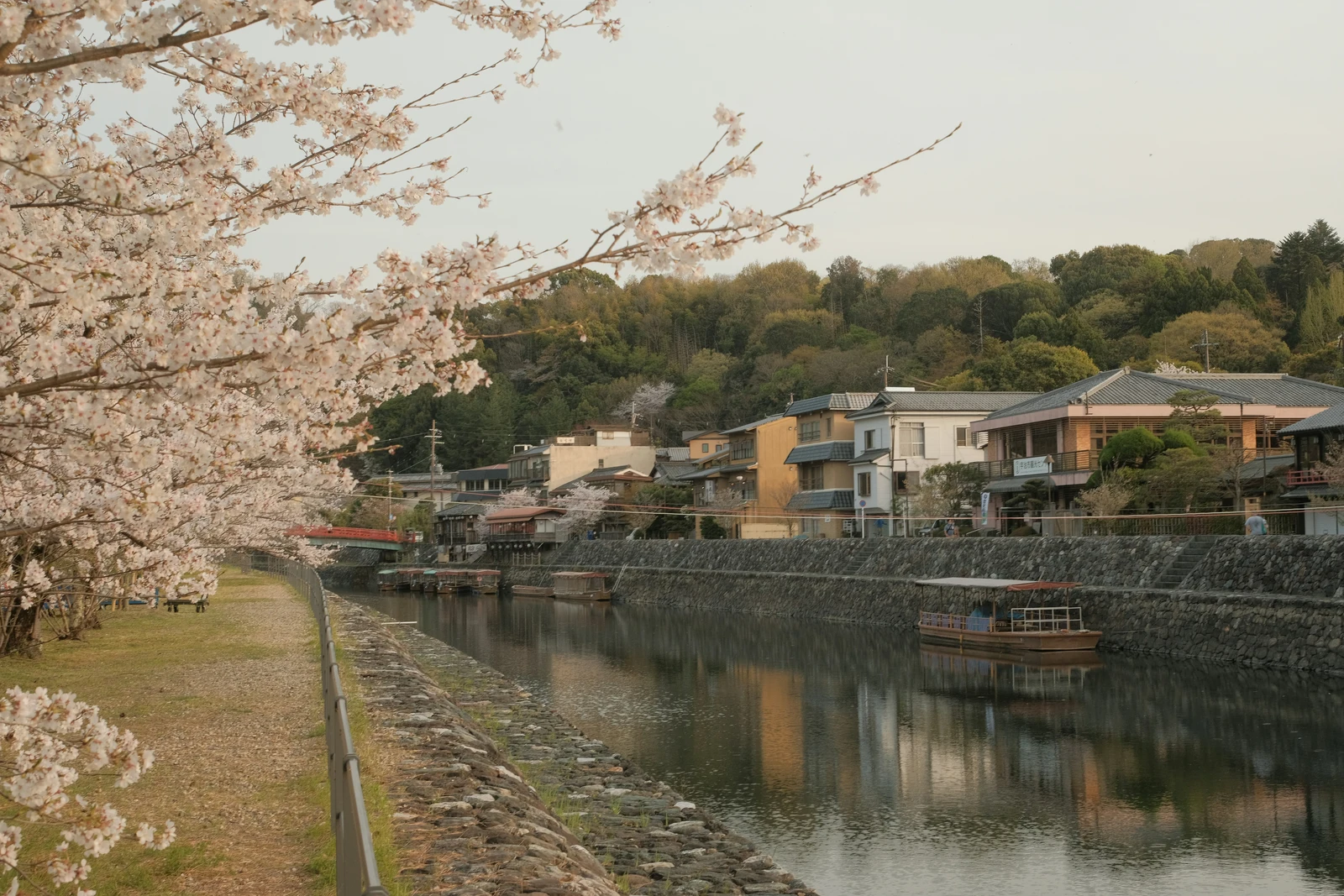
Family-Friendly Cherry Blossom Trips in Japan: What to Know Before You Go
Cherry blossom season is one of the most popular times to visit Japan. For a few short weeks each spring, streets, parks, riversides, and temples are transformed by soft pink and white blooms, creating a strong sense of season and celebration across the country.
You’ll often hear cherry blossom season referred to as sakura. Sakura is the Japanese word for cherry blossoms, and it also describes the wider cultural tradition of enjoying them — from casual walks and picnics to evening strolls beneath the trees. Understanding this connection helps explain why cherry blossoms are such an important part of everyday life in Japan during spring.
For families, cherry blossom season can be incredibly memorable. It can also feel intimidating, particularly if you’ve heard stories about crowds, pressure to catch peak bloom, or concerns about whether it’s suitable for travelling with children or grandparents.
The reality is far more balanced.
With the right expectations and a family-friendly planning approach, a cherry blossom trip to Japan can be one of the most enjoyable ways to experience the country together.
This guide explains what cherry blossom season really looks like for families, and how to plan a trip that feels realistic, well-paced, and comfortable for everyone.
Key Takeaways for Family-Friendly Cherry Blossom Travel
- Cherry blossom season in Japan refers to the brief spring period when cherry trees bloom across the country.
- Cherry blossom trips work best for families when blossoms are treated as part of the experience, not the sole focus of the itinerary.
- Staying near local parks, rivers, and neighbourhood streets often provides a more relaxed cherry blossom experience than famous viewing sites.
- Fewer bases and longer stays significantly improve comfort when travelling with children, teenagers, or grandparents.
- Experiencing cherry blossoms at exact peak bloom is not essential for a meaningful family trip.
Who this guide is for
This article is written for Australian families who enjoy travelling together and value thoughtful planning, comfort, and shared experiences.
It’s particularly relevant for:
- Parents travelling with teenagers or adult children
- Multi-generational family groups, including grandparents
- Families planning a first or second trip to Japan
- Travellers who prefer structure and balance over rushing
This is not a guide for fast-paced sightseeing or chasing the “perfect” cherry blossom photo. It’s designed for families who want cherry blossom season to enhance their trip — not dictate every decision.
What makes cherry blossom season special and challenging for families
Cherry blossom season is special because it is brief, seasonal, and woven into everyday life across Japan. Cherry trees line rivers, parks, and residential streets, meaning families can enjoy blossoms naturally during normal sightseeing or daily walks.
It can be challenging for families because peak cherry blossom periods often coincide with:
- Increased crowds in well-known locations
- Higher demand for accommodation
- Longer days spent walking or standing
For families, enjoyment often depends on how cherry blossoms are experienced. Famous viewing spots can feel overwhelming, while quieter local areas tend to be more comfortable and flexible.
On one of our trips, some of the most enjoyable cherry blossom moments weren’t planned at all. They happened during a short evening walk along a riverside path near our accommodation, where locals were enjoying the blossoms at their own pace.
When cherry blossom season works best for families
In most years, cherry blossoms begin appearing in southern Japan in late March, gradually moving north through early to mid-April.
For Australian families, this period often overlaps with:
- School holidays
- Easter travel
- A busy international travel season
Cherry blossom season doesn’t need to be avoided, but it does require realistic expectations.
Many families find that travelling:
- At the start of cherry blossom season, or
- Toward the end of peak bloom periods
results in a more relaxed experience.
It’s also important to remember that cherry blossoms don’t need to be at full bloom to be enjoyable. Trees that are just opening, or petals beginning to fall, can still create a beautiful atmosphere — often with fewer crowds.
Where families tend to enjoy cherry blossoms the most
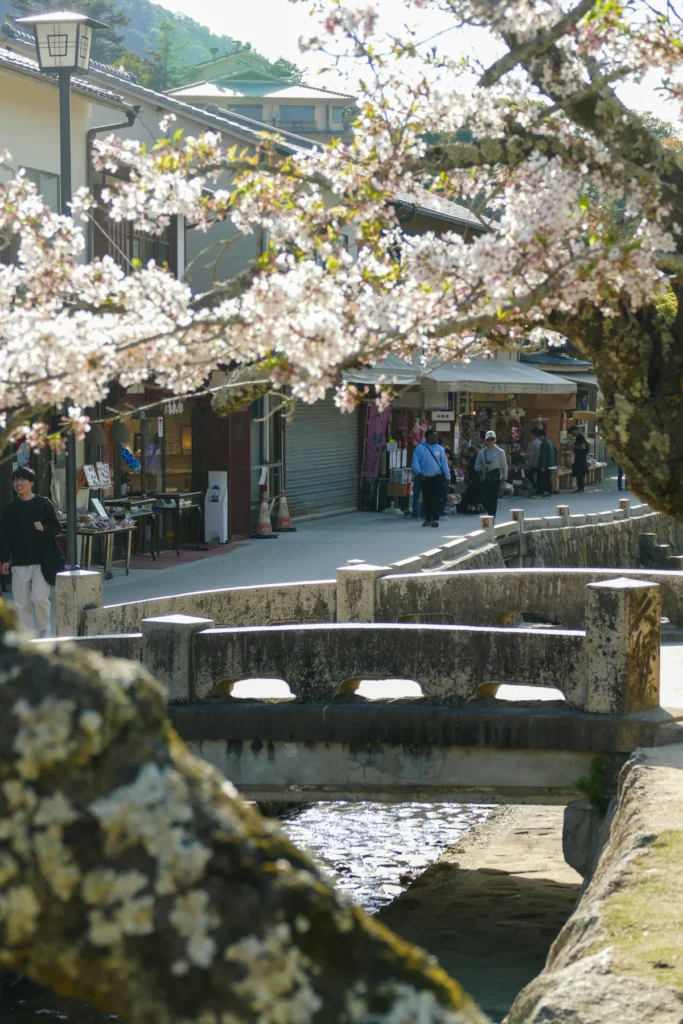
Families tend to enjoy cherry blossom season most in everyday settings such as local parks, riverside paths, and residential neighbourhoods, where crowds are lighter and the experience feels more relaxed.
These locations often provide:
- Easier access for slower walkers
- Nearby cafés, toilets, and places to rest
- Flexibility to enjoy blossoms casually rather than on a strict schedule
Choosing destinations beyond the most obvious cities often results in fewer crowds, easier access to cherry blossoms, and a more comfortable pace for families.
Cities like Osaka often work well as a base for families in spring, particularly when accommodation offers a little more space and easy access to transport.
Staying near places where cherry blossoms are part of the local environment, rather than something you have to travel across the city to see, often makes a noticeable difference.
How families can enjoy cherry blossoms without burning out
One of the most common challenges during cherry blossom season is trying to fit too much into each day.
A more family-friendly approach usually includes:
- Short walks or park visits rather than full-day outings
- Combining cherry blossom viewing with meals or casual sightseeing
- Allowing family members to opt in or out depending on energy levels
- Accepting that not everyone needs to see every location
Keeping days balanced by mixing short walks with one simple activity often works better than trying to see everything at once.
Cherry blossoms are best enjoyed as a backdrop to the day rather than the main event. This approach is especially helpful for multi-generational families, where comfort and flexibility play a big role in overall enjoyment.
Accommodation and transport: family realities during cherry blossom season
Two practical factors have a major impact on family comfort during cherry blossom trips: accommodation space and ease of movement.
Accommodation considerations
Hotel rooms in Japan are often smaller than many Australian families expect. When travelling together, limited space can quickly affect comfort — especially after long days out.
This is especially important in large cities such as Tokyo, where room sizes and bed layouts can vary significantly for families.
On our own trips, booking two rooms often proved far more comfortable than trying to fit everyone into one. This wasn’t about luxury, but about having space to rest, manage luggage, and unwind at the end of the day.
During cherry blossom season, accommodation in popular areas can book out earlier, so it’s worth paying attention to room layouts, bed configurations, and location when planning.
Transport considerations
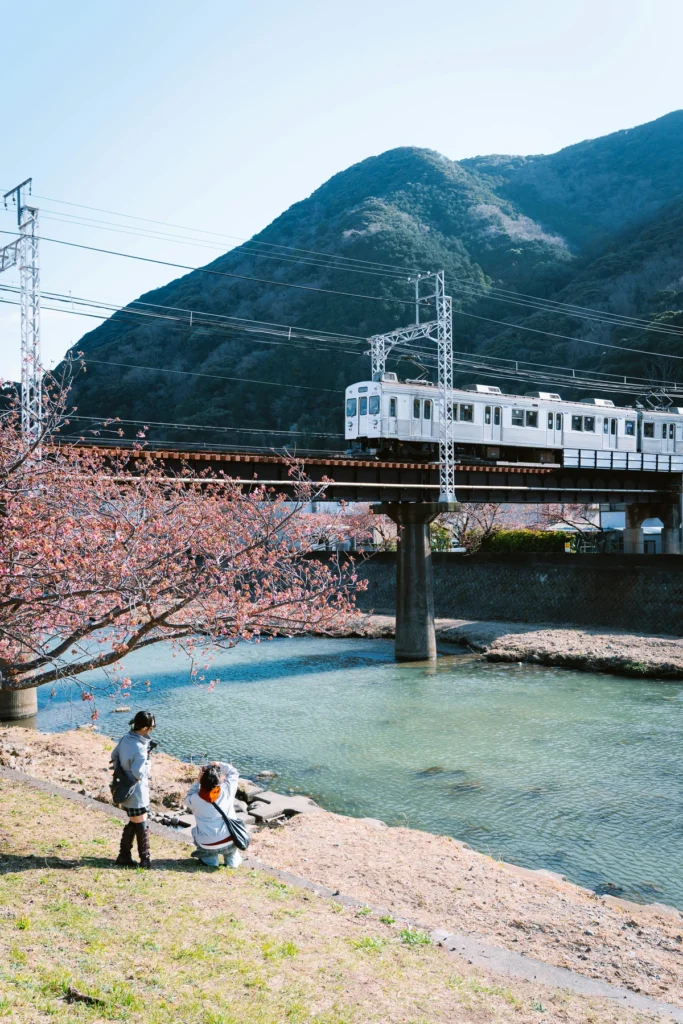
Local transport in Japan is reliable and easy to use, even during busy periods. Many families use an IC card such as the Welcome Suica, which allows simple tap-on, tap-off travel across trains and buses.
For longer journeys between major cities, reserving Shinkansen seats can be worthwhile during cherry blossom season. While not essential, seat reservations help families sit together and reduce stress on travel days.
What a family-friendly cherry blossom trip looks like in practice
Rather than focusing on detailed itineraries, it’s often more helpful to think in terms of structure and flow.
For example:
- A 10–12 day cherry blossom trip may include two main bases with day trips built in
- A 14–16 day trip often allows for three bases, slower pacing, and rest days
Successful family trips during cherry blossom season typically:
- Limit the number of hotel changes
- Avoid unnecessary backtracking
- Include unplanned time for rest or spontaneous activities
This structure supports different energy levels and makes the experience more enjoyable for everyone.
What many families underestimate about cherry blossom travel
Even experienced travellers sometimes underestimate:
- Crowd fatigue during peak cherry blossom periods
- The impact of frequent packing and unpacking
- How quickly days can feel full without downtime
- The value of staying close to everyday amenities
Recognising these factors early allows families to plan around them, rather than discovering them partway through the trip.
Frequently asked questions about family-friendly cherry blossom trips
Is cherry blossom season too busy for families?
It can be busy in certain locations, but many families enjoy cherry blossom season by choosing quieter areas and pacing their days carefully.
Do families need to visit famous cherry blossom spots?
No. Local parks and neighbourhood areas are often more enjoyable and far less crowded.
How long should families stay in each city?
Staying at least three nights in major cities usually improves comfort and reduces fatigue.
Is Japan easy to get around with children or grandparents?
Yes. Public transport is reliable and well organised, especially when plans are kept simple.
Do families need to book everything early for cherry blossom season?
Some elements benefit from early planning, but not everything needs to be locked in at once.
Ready to talk through a family-friendly cherry blossom trip?
If you’re considering a family trip to Japan during cherry blossom season and want help making sure it works for everyone travelling, we’re happy to help.
This planning support is best suited to families who value structure, comfort, and confidence, rather than fast-paced, checklist-style travel.
Next steps:
If you’re considering a spring trip to Japan and want to make sure the timing, routing, and accommodation choices actually work for your family, we can help you think it through properly.
Whether you’re still exploring ideas or ready to start shaping a real itinerary, the next step is a conversation.
Still not sure how to turn ideas like this into a trip you can confidently book?
If you’re feeling unsure about routes, timing, or what to book first, it may help to start here.
Want help applying this to your own trip?
If you’d like to talk it through and get clarity before booking, you can book a free consult.