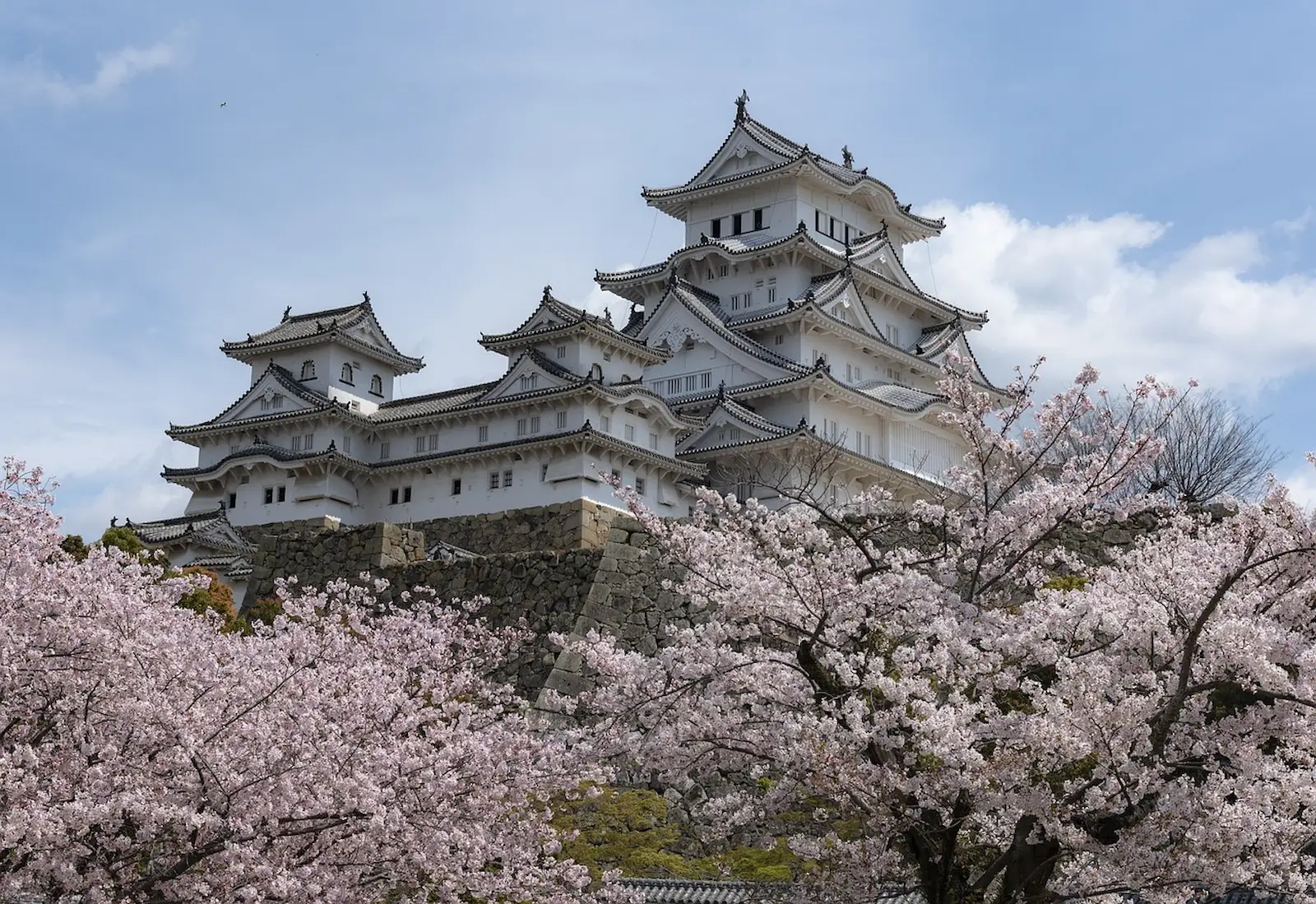
Cherry Blossom Season in Japan: A Simple Guide for Australians
Cherry blossom season in Japan is one of the most talked-about times to visit — and also one of the most confusing.
If you’re an Australian traveller considering Japan in late March or April, this guide explains cherry blossom season clearly and calmly, without pressure to get everything “perfect”. It’s written for people who want to enjoy Japan properly, not rush through it or feel stressed by timing.
For families planning spring travel, our guide to family-friendly cherry blossom trips in Japan shows how to enjoy the blooms comfortably and with the right pacing.
What is cherry blossom season in Japan?
Cherry blossom season (often called sakura season) is the period in spring when cherry trees bloom across Japan.
The blossoms appear in everyday places — parks, rivers, neighbourhood streets, temple grounds, and outside cafés. It’s not a single festival or ticketed event. Instead, it’s a seasonal backdrop that naturally becomes part of daily life.
For many visitors, the appeal isn’t just the flowers themselves, but how spring changes the feel of Japan. Cafés spill outdoors, parks fill with picnics, and walking through cities feels slower and more enjoyable. Cherry blossom season is about atmosphere as much as scenery.
When is cherry blossom season in Japan?
Cherry blossom season usually falls between late March and early April, but exact dates change every year.
Weather plays a big role, which means forecasts can shift. Different regions bloom at different times, and even within the same city, some trees open earlier than others.
This is why it helps to think of cherry blossom season as a travel window, not a single moment you have to hit perfectly. Travelling during this broader window gives you more options and less pressure.
For Australian travellers, this timing often works well with annual leave planning and school term breaks. It also avoids Japan’s extreme weather seasons, making it one of the most comfortable times of year to explore on foot.
A note from our own spring trips to Japan
We’ve travelled to Japan twice during late March and April, and the two experiences were very different.
On our first trip, we arrived just as the cherry blossoms were finishing. While we still enjoyed spring weather and beautiful scenery, it was a reminder that bloom timing doesn’t follow a fixed calendar.
On our second trip, we saw cherry blossoms in Osaka and Kyoto, even though other areas were earlier or later. That contrast is what really highlighted the value of planning around a broader spring window rather than a single “peak” date.
Where can you see cherry blossoms?
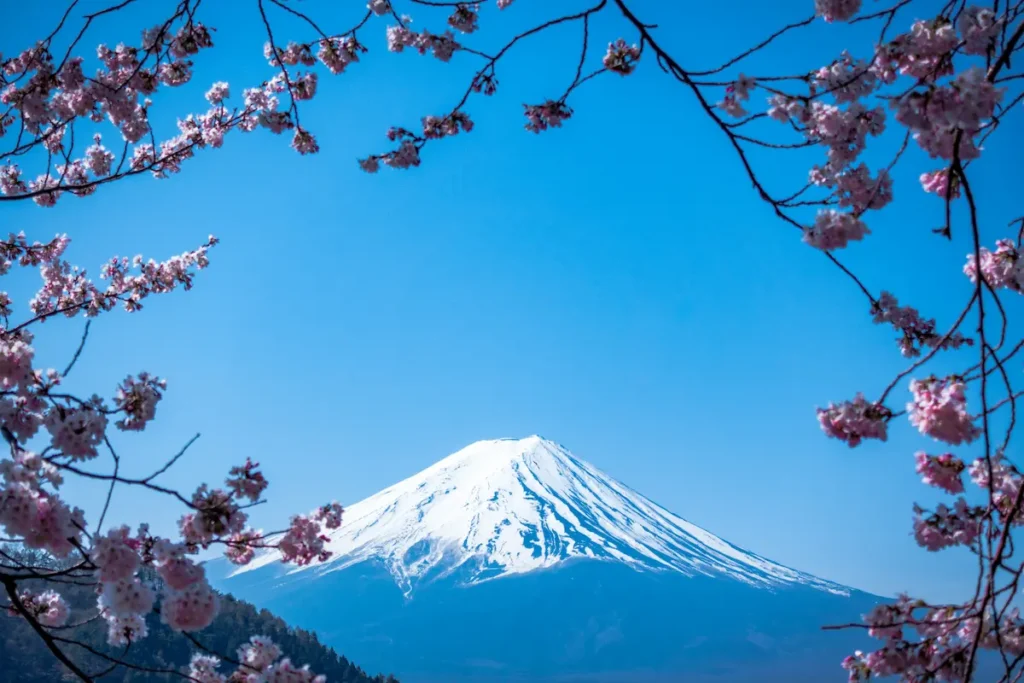
Cherry blossoms aren’t limited to famous postcard locations.
You’ll commonly see them:
- Along rivers and canals
- In local neighbourhood parks
- Around temples and shrines
- Outside train stations and cafés
- On quiet residential streets
Many travellers are surprised by how often blossoms appear naturally while moving around cities. You don’t need to queue at a single park to feel like you’ve “seen” cherry blossoms.
Many people enjoy pairing spring scenery with sightseeing — from cultural landmarks to theme parks and food districts. If you’re planning what to include, this guide to 👉 Japan’s must-visit attractions is a useful starting point.
What does a cherry blossom day actually look like?
One of the biggest misconceptions is that cherry blossom days are packed with scheduled viewing.
In reality, many spring days are simple:
- A relaxed morning walk through a park
- A picnic lunch under blooming trees
- Sightseeing as usual, with blossoms appearing along the way
- An evening meal in a lively neighbourhood
For families, cherry blossom season works particularly well because parks double as rest stops, kids can move freely, and days don’t need to be tightly structured. For couples and slower-paced travellers, it’s an ideal time to wander without feeling rushed.
What we learned from seeing (and missing) the blossoms
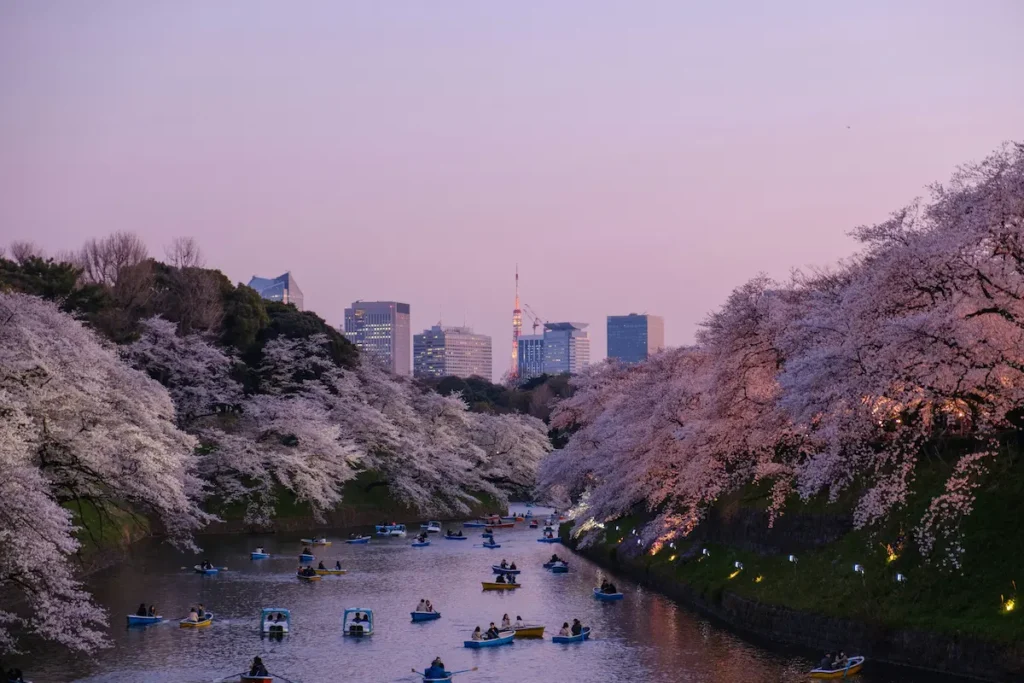
One thing both trips reinforced was that cherry blossom moments tend to appear as part of the day, rather than as a single scheduled event.
Even when we missed peak blooms on our first trip, spring parks, neighbourhood walks, and slower days were still highlights. On our later trip, catching blossoms in Osaka and Kyoto felt special precisely because they appeared naturally between sightseeing, not because we were rushing from one viewing spot to another.
That experience is why we usually recommend lighter daily plans during cherry blossom season, with space to enjoy what’s in front of you rather than chasing exact conditions.
Who is cherry blossom season best for?
Cherry blossom season suits a wide range of travellers, but it works especially well for:
First-time visitors to Japan
Spring weather is comfortable for walking, and public transport is easy to navigate. It’s a forgiving season for first-timers because you can plan active days without battling peak summer heat or winter conditions.
Families travelling with children
Days can be paced gently, food options are flexible, and parks provide natural breaks. Families often enjoy spring because it supports a simple routine: one main activity, plenty of time outdoors, and an easy dinner in a lively neighbourhood.
Choosing the right base makes a big difference — particularly when looking at 👉 family-friendly hotels in Tokyo or 👉 family-friendly hotels in Osaka.
Couples and slower-paced travellers
Spring encourages café stops, short walks, and enjoying neighbourhoods rather than ticking off long lists. If you’re looking for a trip that feels balanced rather than intense, spring is a very good fit.
Why do so many Australians travel during cherry blossom season?
There are a few consistent reasons:
- Comfortable spring temperatures
- Seasonal food and local festivals
- A lively but relaxed travel atmosphere
- Timing that often works well with Australian leave patterns
For many Australians, late March to April feels like the ideal balance between good weather and manageable travel conditions.
How do you plan a cherry blossom trip without stress?
The most important thing is to let go of the idea that everything has to line up perfectly.
Helpful planning principles include:
- Travelling within a broader spring window, not exact bloom dates
- Choosing regions and routes rather than focusing on one park
- Allowing slower days with flexibility
- Planning pacing first, sightseeing second
Japan’s transport system makes spring travel between cities straightforward when you understand the basics. This 👉 guide to public transport in Japan is helpful when planning routes.
Many spring itineraries involve moving between cities, which is where 👉 using the Shinkansen becomes part of the experience rather than a complication.
If you’re starting to think about how a spring trip to Japan might work for you — timing, pacing, or which places make sense together — you don’t need to figure it out alone. You can 👉 make a travel enquiry here and we’ll talk it through calmly.
Is cherry blossom season crowded or difficult?
Some well-known locations can be busy, especially on weekends. However, Japan manages crowds exceptionally well, and cherry trees are spread across so many areas that quieter experiences are easy to find.
Travelling mid-week, starting days earlier, or choosing less obvious locations often makes a noticeable difference. A calm itinerary also helps — when you’re not trying to cram too much into one day, busy areas feel far more manageable.
Is cherry blossom season worth it?
For many travellers, yes.
Spring in Japan combines comfortable weather, beautiful scenery, seasonal food, and a relaxed pace that suits thoughtful travel. It’s one of the most approachable times to visit, especially if you value planning, balance, and ease.
Frequently asked questions about cherry blossom season in Japan
When do cherry blossoms bloom in Japan?
Cherry blossoms usually bloom in Japan from late March to early April, but the exact timing changes each year. Weather conditions can shift bloom timing earlier or later, and different regions peak at different times.
If you plan your trip around a broader spring window rather than a single “perfect” week, you’ll have a better chance of seeing blossoms somewhere along your route.
How long does cherry blossom season last?
In most places, blossoms are part of the landscape for around one to two weeks, but that varies by location, weather, and the type of cherry tree. Some spots will be earlier, some later, and trees don’t all bloom at once.
That’s why travellers often have a lovely experience even if they aren’t visiting on the exact peak day.
Do I need to travel on peak bloom dates to enjoy it?
No. Peak bloom can be beautiful, but it’s not the only good time to visit. Many travellers enjoy the days just before peak (when trees are starting to open) or just after (when petals fall and parks feel festive).
Cherry blossom season is best approached as a spring travel experience rather than a once-only moment you have to “catch.”
Is cherry blossom season in Japan crowded?
Some famous viewing spots can be busy, especially on weekends and school holiday periods. The good news is that cherry blossoms are widespread, so it’s usually easy to find calmer parks, riverside walks, and neighbourhood areas with beautiful blooms and fewer people.
Travelling mid-week, starting early in the day, and spreading your itinerary across more than one area can make the whole trip feel far more relaxed.
Is cherry blossom season expensive?
Spring is a popular time to travel, so flights and accommodation can be higher than quieter months, especially in major cities. Costs can still be managed with thoughtful choices such as staying slightly outside the most central areas, planning a balanced itinerary (not changing hotels constantly), and booking key items early.
If you’re travelling as a family, choosing a good base and keeping the daily plan simple can also reduce unnecessary spending.
Which cities are best for cherry blossoms: Tokyo, Kyoto, or Osaka?
All three can be excellent, but they offer different experiences. Tokyo has easy parks and riverside spots that fit well into a first-time itinerary. Kyoto can feel especially scenic in spring, but it can also be busier in popular areas. Osaka is often a comfortable base with great food and straightforward transport links.
Many travellers enjoy combining two cities rather than trying to do everything at once. If you’re still deciding what to include, you might also like this guide to 👉 Japan’s must-visit attractions.
Where can I see cherry blossoms without big crowds?
A good rule is to look for everyday blossom locations rather than only the most famous parks. Neighbourhood parks, river walks, smaller shrines, and residential streets often have plenty of trees and a calmer feel.
Another helpful approach is to plan a few “main sights” and then leave open time for wandering — you’ll often stumble across quiet blossom spots naturally.
Is cherry blossom season suitable for families with kids?
Yes — and it can be one of the easier seasons for family travel. Spring weather is comfortable, parks become natural places to pause, and days don’t need to be tightly scheduled.
Families often do best with fewer hotel changes, shorter travel days, and a simple daily rhythm (one main activity, plus time to explore). If you’re choosing a base, these guides can help: 👉 family-friendly hotels in Tokyo and 👉 family-friendly hotels in Osaka.
How do I get around Japan during cherry blossom season?
Japan is one of the easiest countries to navigate with public transport, even during busy seasons. Trains and subways connect cities and neighbourhoods efficiently, and you can plan days around a few key stations rather than complicated routes.
If you’d like a practical overview, this 👉 guide to public transport in Japan is a great starting point.
Should I use the Shinkansen for a spring itinerary?
If your itinerary includes multiple cities (for example, Tokyo and Osaka/Kyoto), the Shinkansen can be a comfortable, time-saving option. It also makes spring travel feel smoother because you’re not spending long stretches in transit.
If you haven’t used it before, here’s a helpful guide to 👉 using the Shinkansen so you know what to expect.
How far in advance should I book for cherry blossom season?
For late March to April travel, many people start planning several months ahead because it’s a popular time. If you prefer having choice (flight times, accommodation locations, family-friendly rooms), earlier planning tends to reduce stress.
That doesn’t mean you can’t travel if you start later — it just helps to be flexible with neighbourhoods, room types, and exact dates.
What’s the simplest way to plan a cherry blossom trip if I’m short on time?
Focus on a calm structure: choose one main city as your base, add one additional city only if it genuinely improves the trip, and build in “open” time rather than filling every day.
Most travellers enjoy spring Japan more when they plan for pacing rather than perfection. If you’d like a second opinion on timing or routing, you can 👉 make a travel enquiry here and we’ll talk it through calmly.
Ready to talk through your Japan plans?
If you’re considering visiting Japan during cherry blossom season and would like help shaping an itinerary that suits your travel style, timing, and pace, we’re happy to help.
You can:
There’s no pressure — just a calm conversation to help you decide what works best.
Still not sure how to turn ideas like this into a trip you can confidently book?
If you’re feeling unsure about routes, timing, or what to book first, it may help to start here.
Want help applying this to your own trip?
If you’d like to talk it through and get clarity before booking, you can book a free consult.